
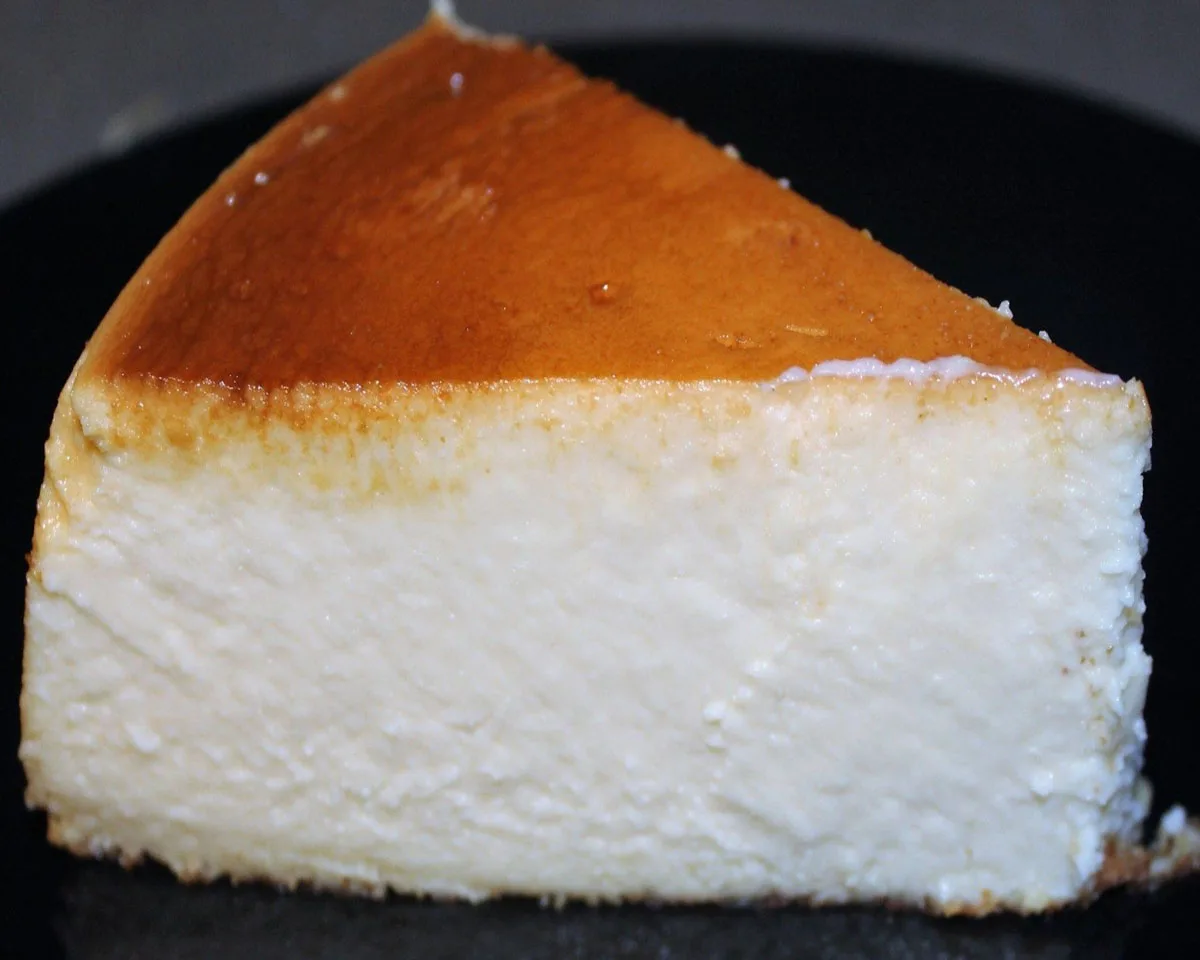
New York Cheesecake – The Ultimate Classic Dessert from the Big Apple

PART 1: My First Slice of New York Cheesecake

A Birthday Trip That Changed My Dessert Expectations

I still remember my first trip to New York City. I turned twenty-five, and my best friend surprised me with a weekend in Manhattan. We walked across the Brooklyn Bridge, saw a Broadway show, and ate pizza at two in the morning. But one moment stands out above all others. On our last day, we ducked into a small deli near Times Square to escape the rain. I ordered a slice of New York Cheesecake on a whim. When the plate arrived, I noticed how simple it looked. No fruit topping, no chocolate drizzle. Just a pale, creamy wedge with a buttery crust. I took one bite, and my eyes went wide. The texture felt impossibly smooth and dense. The flavor balanced tangy cream cheese with just the right amount of sweetness. That New York Cheesecake melted on my tongue like velvet. I asked the waiter for the recipe, but he just laughed. So I went home determined to recreate that magic. After many failed attempts, I finally perfected this New York Cheesecake recipe. Now I bake it for birthdays, holidays, and any time I want to feel like I am back in that little deli. Trust me, once you taste this classic cheesecake, you will understand why New Yorkers take their dessert so seriously.

Why This Cheesecake Stands Above All Others

New York Cheesecake is not your average cheesecake. It is denser, richer, and tangier than its lighter, fluffier cousins. The secret lies in using full-fat cream cheese, plenty of eggs, and sour cream. A traditional New York Cheesecake contains no heavy cream or whipped cream. Instead, the filling relies on cream cheese for body, eggs for structure, and sour cream for that signature tang. The recipe also includes a little lemon juice and zest, which brightens the flavor and cuts through the richness. A buttery graham cracker crust provides a crunchy contrast. Baking the cheesecake in a water bath ensures even heat and prevents cracks. The result is a dessert that tastes indulgent yet elegant. Serve it plain to appreciate the pure flavor, or top it with fresh berries, fruit compote, or a drizzle of chocolate. This cheesecake holds its own at any celebration, from an intimate dinner party to a wedding reception. Once you master this recipe, you will never buy a store-bought cheesecake again.

PART 2: The Science Behind a Perfect New York Cheesecake

Room Temperature Ingredients Are Non-Negotiable

The first rule of making a great New York Cheesecake is bringing every ingredient to room temperature. Take five large eggs, two cups of sour cream, four 8-ounce packages of cream cheese, and one stick of unsalted butter out of the refrigerator at least two hours before you start baking. Room temperature ingredients blend together smoothly without lumps. Cold cream cheese creates a lumpy filling that no amount of beating can fix. Cold eggs can cause the batter to curdle. Plan ahead. If you forget to take things out, place the sealed cream cheese packages in a bowl of warm water for fifteen minutes. Place the eggs in a bowl of warm water for ten minutes. Do not microwave any of these ingredients. Microwaving can melt the cream cheese unevenly or cook the eggs.

The Water Bath Method – Preventing Cracks

A water bath, or bain-marie, is essential for a crack-free New York Cheesecake. Generously butter the inside of a 10-inch springform pan. Wrap a double layer of heavy-duty aluminum foil tightly around the outside bottom and sides of the pan. The foil prevents water from seeping into the pan. Place the springform pan inside a larger roasting pan. After pouring the cheesecake mixture into the springform pan, carefully place the pans in the preheated oven. Then pour very hot tap water into the larger pan until it reaches halfway up the sides of the springform pan. The water bath creates a humid environment inside the oven. It gently cooks the cheesecake from all sides, preventing the top from drying out and cracking. Do not skip this step. Without a water bath, the edges of your cheesecake will overcook before the center sets, leading to unsightly cracks.

PART 3: Baking, Cooling, and Chilling for Perfection

Low and Slow – The Right Temperature and Time

Preheat your oven to 300°F, not higher. A lower temperature cooks the cheesecake gently and evenly. The filling contains a lot of fat and protein, which can curdle or separate at high heat. Bake the cheesecake for about two hours and fifteen minutes. A knife inserted in the center should emerge clean. The cheesecake will look very lightly colored on top, not browned. If the top starts to brown before the center sets, tent a piece of foil over the pan for the last thirty minutes. Do not open the oven door frequently during baking. Sudden temperature changes can cause the cheesecake to crack.

Cooling Gradually – The Most Important Step

After baking, remove the cheesecake from the water bath. Carefully peel the aluminum foil from around the pan. Place the cheesecake on a wire rack to cool at room temperature. This cooling process takes about four hours. Do not rush it. Do not put a hot cheesecake in the refrigerator. The sudden temperature shock will cause the top to crack. Let it cool completely on the counter. The cheesecake will continue to set as it cools. Once fully cooled, cover the pan with plastic wrap and refrigerate the cheesecake for at least four hours. For the best flavor and texture, chill it overnight. Overnight chilling allows the flavors to meld and develop into that creamy, iconic taste. The cheesecake also firms up perfectly, making it easier to slice.

Cooling Stage Time Why It Matters
Room temperature 4 hours Prevents cracking, allows even setting
Refrigerator 4 hours to overnight Firms texture, develops flavor
Before serving 15 minutes out of fridge Takes off chill, enhances taste

PART 4: Serving, Storing, and Customizing Your Cheesecake

How to Get Clean, Beautiful Slices

Run a thin knife around the inside edge of the springform pan before releasing the latch. Release the latch and carefully lift off the side ring. Leave the cheesecake on the metal base. Use a long, sharp chef’s knife to slice. Dip the knife in hot water and wipe it dry between each cut. This technique melts through the dense cheesecake without dragging or tearing. For a standard 10-inch cheesecake, cut into twelve to sixteen slices. Serve each slice on a chilled plate. Let the cheesecake sit at room temperature for fifteen minutes before serving. This brief rest takes off the chill and allows the full flavor to shine.

Toppings, Variations, and Storage Ideas

Serve this New York Cheesecake plain to appreciate its pure flavor. For a fruity twist, top slices with fresh strawberries, blueberries, or raspberries. A spoonful of warm cherry compote or mixed berry sauce adds elegance. For chocolate lovers, drizzle melted dark chocolate or chocolate ganache over the top. A dusting of cocoa powder or powdered sugar creates a simple, sophisticated look. You can also swirl fruit puree into the batter before baking for a marbled effect. Store leftover cheesecake in an airtight container in the refrigerator for up to seven days. The flavor actually improves over time. Do not freeze this cheesecake, as the texture becomes grainy upon thawing. If you must freeze, wrap individual slices tightly in plastic wrap and freeze for up to one month. Thaw overnight in the refrigerator.

Making the Graham Cracker Crust

While the recipe provided does not include crust ingredients, a classic New York Cheesecake always has a buttery crust. To make one, combine one and a half cups of graham cracker crumbs, a quarter cup of granulated sugar, and six tablespoons of melted butter. Press the mixture firmly into the bottom of the buttered springform pan. Use the bottom of a measuring cup to pack it tightly. Pre-bake the crust at 350°F for ten minutes before adding the filling. Let it cool completely before pouring in the cheesecake mixture. The crust adds a sweet, crunchy contrast to the creamy filling.

Frequently Asked Questions

Can I use low-fat cream cheese for this recipe?
No, low-fat cream cheese contains more water and less fat. The cheesecake will not set properly and may turn out watery or grainy. Use full-fat, block-style cream cheese for the signature dense, creamy texture.

Why did my cheesecake crack on top?
Cracks usually happen from overbaking, sudden temperature changes, or skipping the water bath. Bake only until a knife inserted in the center comes out clean. Cool the cheesecake gradually at room temperature. Always use a water bath.

Can I make this cheesecake without a springform pan?
You can use a regular 10-inch cake pan with high sides, but removing the cheesecake becomes difficult. Line the pan with parchment paper sling for easier removal. A springform pan is strongly recommended.

How do I prevent the water bath from leaking into the pan?
Use heavy-duty aluminum foil, not standard foil. Wrap the outside of the springform pan with a double layer, bringing the foil all the way up the sides. Make sure there are no tears. You can also place the springform pan inside a slightly larger cake pan before putting it in the water bath.

Can I add fruit or chocolate to the batter?
Yes. Fold in a cup of fresh berries, mini chocolate chips, or swirl in fruit puree after pouring the batter into the pan. Do not overmix, or the colors will muddy. Adjust baking time by five to ten minutes if adding dense ingredients.

What is the best way to transport a New York Cheesecake?
Keep the cheesecake cold and in the springform pan with the side ring attached. Place the pan on a non-slip mat in a cooler. Add ice packs around the pan. Transport it upright and avoid sharp turns. Once you arrive, refrigerate until serving.

Conclusion

New York Cheesecake represents the pinnacle of classic American desserts. Its dense, creamy, tangy filling and buttery graham cracker crust create a slice of pure bliss. The recipe requires patience, precision, and a few simple techniques, but the reward is extraordinary. That first bite will transport you to a cozy deli in Manhattan, with rain tapping on the window and the city buzzing outside. Serve this cheesecake at your next celebration, or bake it just because you deserve something special. It keeps beautifully in the refrigerator, so you can enjoy a slice every day for a week. Once you master this iconic recipe, you will become the designated cheesecake baker among your friends and family. So soften that cream cheese, preheat your oven, and prepare to create a dessert that lives up to its legendary reputation. Each forkful delivers the taste of indulgence, the warmth of tradition, and the unmistakable soul of the city that never sleeps. Enjoy every single, creamy, dreamy bite.

Full recipe:

Ingredients:

– 5 large eggs, room temperature
– 2 cups (one pint) sour cream, room temperature
– 4 8-ounce packages cream cheese, room temperature
– 8 tablespoons (one stick) unsalted butter, room temperature
–  1/2 cups sugar
– 2 tablespoons cornstarch
–  1/2 teaspoons vanilla extract
– 1 teaspoon fresh lemon juice
– 1 teaspoon grated lemon zest

  Instructions:

1. Begin by generously buttering the inside of a 10-inch springform pan. Then, wrap a double layer of heavy-duty aluminum foil tightly around the outside bottom and sides of the pan, ensuring a snug fit. This step is crucial to prevent water from seeping into the pan when placed in a bain-marie.

2. Position the baking rack in the center of the oven and preheat it to 300°F (150°C).

3. In a large mixing bowl, using an electric mixer, blend the eggs with the sour cream until the mixture is well combined.

4. In a separate medium-sized bowl, beat the cream cheese with the butter until it reaches a smooth and creamy consistency. Add this cream cheese-butter mixture to the egg-sour cream mixture and continue to beat until it becomes smooth.

5. Add the sugar, cornstarch, vanilla extract, lemon juice, and lemon zest to the mixture, and beat thoroughly for about 2 minutes.

6. Pour the cheesecake mixture into the prepared springform pan. Place the pan in a larger roasting pan or any other pan that is spacious enough to prevent the sides of the springform pan from touching the larger pan.

7. Carefully place the pans in the preheated oven, and then pour in enough very hot tap water into the larger pan to reach halfway up the sides of the springform pan.

8. Bake for approximately 2 hours and 15 minutes, or until the cheesecake is very lightly colored, and a knife inserted in the center emerges clean.

9. Remove the cheesecake from the water bath and gently peel the aluminum foil from around the pan. Allow it to cool at room temperature until completely cooled, which should take about 4 hours.

10. After cooling, cover the cheesecake and refrigerate it until it’s well chilled. For the best flavor and texture, it’s recommended to chill the cheesecake overnight. This extended chilling time allows the flavors to meld and develop into the creamy, iconic taste of a New York cheesecake.

Leave a Comment