
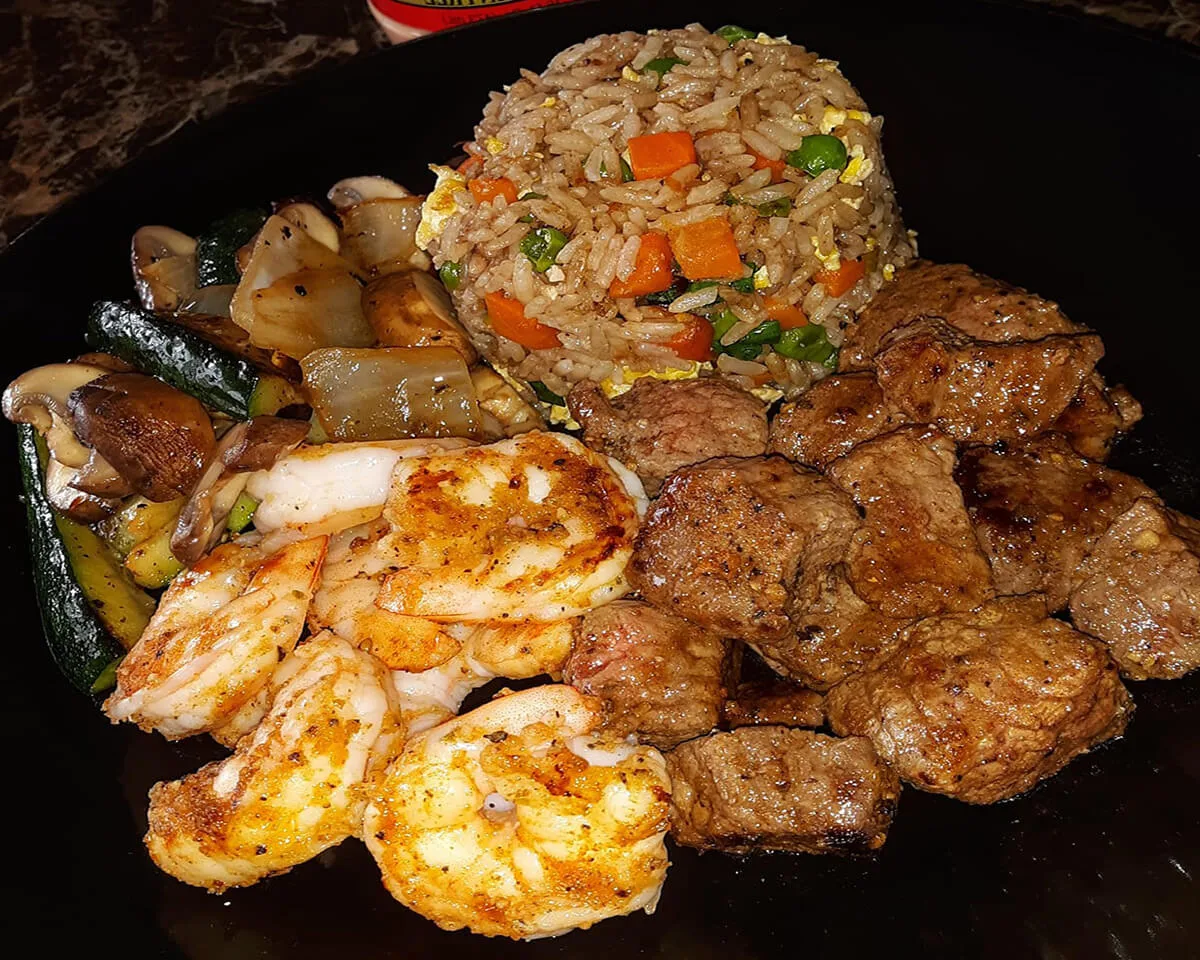
The first time I tried homemade hibachi, I wanted to recreate the exciting flavors of my favorite Japanese steakhouse without leaving the house. Watching chefs cook hibachi on a sizzling grill always felt like dinner and entertainment in one experience. When I decided to make homemade hibachi in my own kitchen, I discovered that the process was surprisingly simple and incredibly rewarding.
Homemade hibachi combines tender protein, crisp vegetables, and savory fried rice into one satisfying meal. With the right ingredients and a hot skillet, homemade hibachi delivers the same delicious flavors you expect from a restaurant hibachi grill. Whether you choose chicken, steak, shrimp, or even tofu, homemade hibachi offers a customizable dish that brings bold Japanese-inspired flavors straight to your table.
PART 1: Homemade Hibachi – Why This Restaurant Favorite Works at Home
The signature hibachi flavors and sauce
The heart of homemade hibachi lies in its rich and savory sauce. This sauce blends soy sauce, mirin, garlic, ginger, and sesame oil to create the bold umami flavor that defines hibachi cooking.
Soy sauce provides saltiness and depth, while mirin adds mild sweetness that balances the dish. Sesame oil contributes a nutty aroma, and fresh garlic and ginger bring bright, aromatic flavor.
Ingredient | Role in the Sauce
Soy sauce | Provides savory umami flavor
Mirin | Adds sweetness and balance
Sesame oil | Enhances aroma and richness
Garlic and ginger | Deliver classic hibachi flavor
When poured over sizzling protein and vegetables, the sauce coats every ingredient with rich flavor.
The sizzling protein and vegetable combination
Homemade hibachi allows you to choose your favorite protein. Chicken, shrimp, beef, or tofu all work beautifully in this dish.
Cooking the protein over high heat creates caramelization that adds depth of flavor. At the same time, vegetables such as zucchini, mushrooms, and carrots bring color, texture, and freshness.
This combination creates a balanced meal that feels both hearty and vibrant.
PART 2: Homemade Hibachi Ingredients and Flavor Balance
Essential ingredients for homemade hibachi
The ingredients used in homemade hibachi are simple yet packed with flavor.
Ingredient | Quantity
Soy sauce | ½ cup
Mirin | ¼ cup
Sake or white wine | 2 tablespoons
Sugar | 2 tablespoons
Sesame oil | 1 tablespoon
Garlic | 2 cloves minced
Ginger | 1 teaspoon grated
Cooked jasmine rice | 2 cups
Butter | 2 tablespoons
Green onions | 2 chopped
Protein of choice | 1 pound
Mixed vegetables | 2 cups
These ingredients create the savory base that defines homemade hibachi.
Choosing the best rice, protein, and vegetables
Day-old jasmine rice works best for hibachi rice because it remains firm during stir-frying. Freshly cooked rice can become too soft when heated again.
Thinly sliced proteins cook quickly and absorb the hibachi sauce better. Chicken breast, shrimp, and beef sirloin are popular choices.
For vegetables, zucchini, mushrooms, broccoli, and carrots provide the perfect balance of texture and color.
PART 3: How to Make Homemade Hibachi Step by Step
Preparing the hibachi sauce and rice
Start by whisking together soy sauce, mirin, sake, sugar, sesame oil, garlic, and ginger in a small bowl. Set the sauce aside so the flavors combine.
Next, heat butter in a large skillet over medium heat. Add the cooked rice and toss it with the melted butter.
Drizzle soy sauce and sake over the rice and stir until the rice becomes heated through. Mix in chopped green onions and remove the rice from the pan.
Cooking the protein and vegetables
Heat a small amount of oil in the same skillet over medium-high heat.
Add your chosen protein and cook until fully done. Chicken should cook through, shrimp should turn pink, and beef should brown nicely.
Push the cooked protein to one side of the skillet. Add the vegetables to the other side and stir-fry them until tender but still crisp.
Pour a portion of the hibachi sauce over the vegetables while they cook.
PART 4: Tips for Perfect Homemade Hibachi
Finishing the hibachi dish
Once the protein and vegetables are cooked, combine them in the skillet.
Pour the remaining hibachi sauce over the mixture and toss everything together so the ingredients absorb the flavors evenly.
Serve the hibachi mixture over the prepared rice.
For extra presentation, sprinkle chopped green onions or sesame seeds on top.
Serving and storing homemade hibachi
Homemade hibachi tastes best immediately after cooking while the ingredients remain hot and flavorful.
This dish pairs well with simple sides such as miso soup or a fresh cucumber salad.
Storage Method | Duration
Refrigerator | Up to 3 days
Freezer | Up to 2 months
Reheat | Skillet over medium heat
Store leftovers in airtight containers to maintain freshness.
FAQ
What rice works best for homemade hibachi?
Day-old jasmine rice works best because it stays firm during stir-frying.
Can I make homemade hibachi vegetarian?
Yes. Replace the meat with tofu or additional vegetables.
What vegetables are best for hibachi?
Zucchini, mushrooms, broccoli, carrots, and onions work especially well.
Can I cook hibachi without mirin?
Yes. You can substitute mirin with a small amount of sugar mixed with rice vinegar.
Conclusion
Homemade hibachi brings the excitement and flavor of a Japanese steakhouse directly into your kitchen. With tender protein, crisp vegetables, and savory hibachi rice, this dish creates a satisfying meal full of bold flavor.
Because homemade hibachi is customizable and quick to prepare, it works perfectly for weeknight dinners or casual gatherings. Once you master this recipe, you may find yourself recreating this restaurant favorite at home whenever you crave a flavorful and fun meal.
Full recipe
Ingredients:
**For the Hibachi Sauce:**
– 1/2 cup soy sauce
– 1/4 cup mirin
– 2 tablespoons sake (or dry white wine)
– 2 tablespoons sugar
– 1 tablespoon sesame oil
– 2 cloves garlic, minced
– 1 teaspoon ginger, grated
**For the Hibachi Rice:**
– 2 cups cooked jasmine rice (preferably cooked and cooled the day before)
– Two tablespoons unsalted butter
– 2 tablespoons soy sauce
– 1 tablespoon sake (optional)
– 2 green onions, finely chopped
**For the Protein (Choose one or a combination):**
– 1 pound boneless chicken breast, thinly sliced
– One pound shrimp, peeled and deveined
– 1 pound beef sirloin, thinly sliced
– Tofu for a vegetarian option, cubed
**For the Vegetables:**
– 2 cups mixed vegetables (such as sliced zucchini, carrots, mushrooms, and broccoli)
Instructions:
**1. Prepare the Hibachi Sauce:**
a. In a small bowl, whisk together soy sauce, mirin, sake (or white wine), sugar, sesame oil, minced garlic, and grated ginger. Set aside.
**2. Cook the Hibachi Rice:**
a. In a large skillet or hibachi grill, melt the butter over medium heat.
b. Add the cooked rice and toss to coat with butter.
c. Drizzle soy sauce and sake (if using) over the rice, continuing to toss until the rice is heated through.
d. Stir in chopped green onions and set the rice aside.
**3. Prepare the Protein:**
a. In the same skillet or hibachi grill, add a bit of oil over medium-high heat.
b. Cook the thinly sliced protein of your choice until fully cooked. If using shrimp, they should turn pink, chicken should be cooked through, and beef should be browned.
c. Once cooked, push the protein to the side of the skillet.
**4. Cook the Vegetables:**
a. Add the mixed vegetables to the other side of the skillet.
b. Pour a small amount of the hibachi sauce over the vegetables and stir-fry until they are cooked but still crisp.
c. Combine the cooked protein and vegetables in the skillet.
**5. Finish and Serve:**
a. Pour the remaining hibachi sauce over the mixture and toss everything together until well-coated.
b. Serve the hibachi mixture over the prepared hibachi rice.
c. Optionally, garnish with additional chopped green onions or sesame seeds.
6. Enjoy:
Serve your Homemade Hibachi hot and enjoy the flavorful combination of protein, vegetables, and seasoned rice. This DIY hibachi meal is not only delicious but also customizable to suit your taste preferences.