
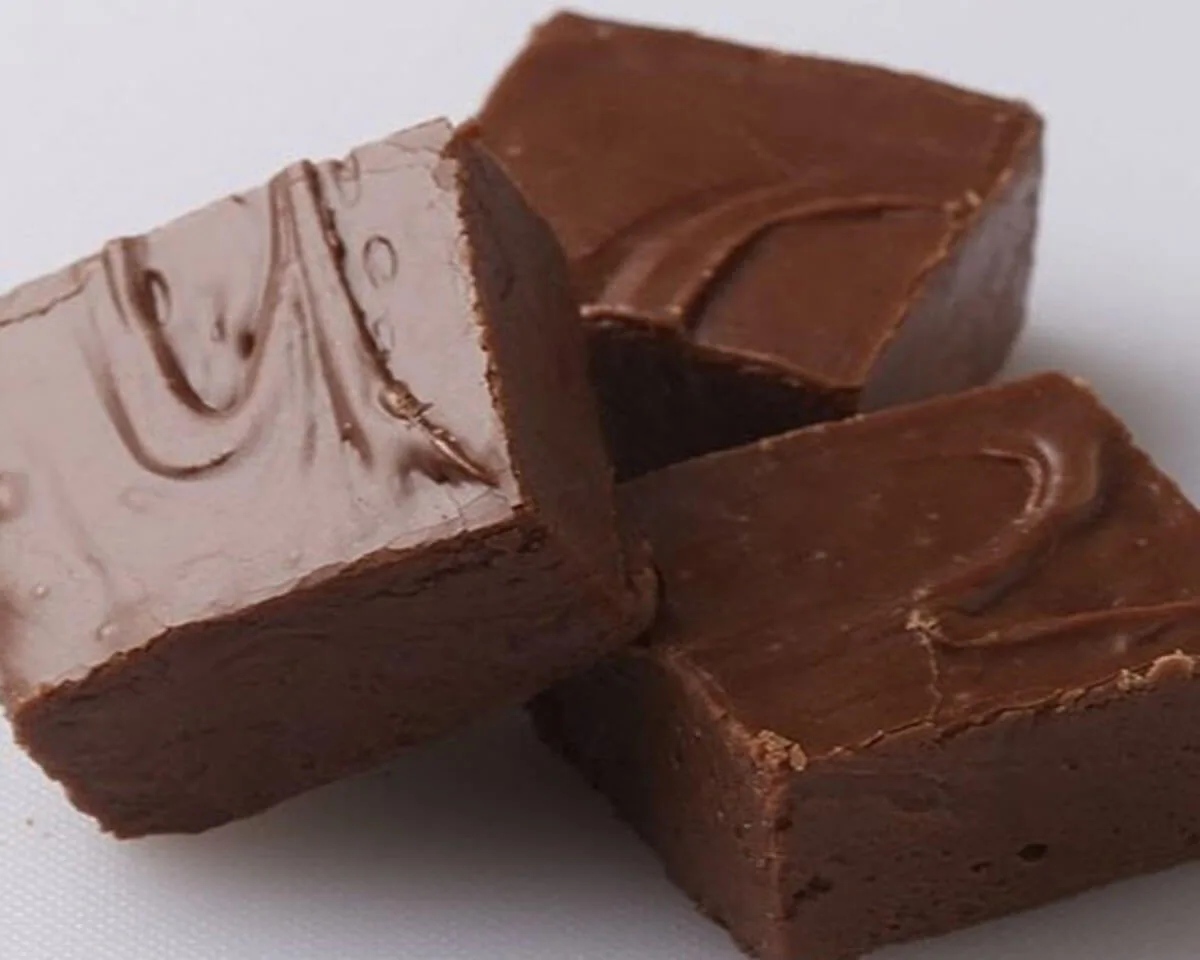
Old Fashioned Fudge: The Classic Homemade Recipe That Never Goes Out of Style

I can still picture my aunt’s kitchen on Christmas morning like it was yesterday. She’d be standing at the stove in her housecoat, stirring a saucepan of old fashioned fudge with the kind of focused intensity most people reserve for important life decisions. The whole house smelled like warm chocolate and butter, and every single kid in the family knew better than to interrupt her during those seven critical minutes of continuous stirring. She’d pour that glossy, dark mixture into a buttered dish, and we’d spend the next two hours hovering around it like impatient little satellites, waiting for it to set. Old fashioned fudge was the one treat that meant Christmas had truly arrived in our family. That memory lives in every bite I make today, and the recipe she used is nearly identical to this one. If you’ve ever wanted to recreate that deep, nostalgic, melt-in-your-mouth chocolate experience at home, old fashioned fudge is exactly where you need to start.

Old Fashioned Fudge: What Sets This Classic Apart From Modern Versions

Old fashioned fudge occupies a very specific and beloved place in the world of homemade candy. Understanding what defines it helps you appreciate why this simple recipe continues to win hearts across generations.

The Difference Between Old Fashioned Fudge and Modern Fudge

Walk into any candy shop today and you’ll find dozens of fudge varieties loaded with cream cheese, marshmallow fluff, condensed milk, and stabilizers designed to make the process more foolproof. Those modern versions taste fine, but they’re fundamentally different from old fashioned fudge in both method and result. Traditional fudge relies on a straightforward combination of sugar, cocoa, butter, and evaporated milk cooked to a precise stage and then stirred aggressively as it cools. That stirring process breaks down sugar crystals into an incredibly fine, uniform structure that gives old fashioned fudge its signature smooth, dense, melt-in-your-mouth texture. Modern shortcut fudge skips this crystallization science entirely, which is why it often tastes creamy but lacks that satisfying density and the subtle grainless quality that defines the real thing. Furthermore, old fashioned fudge carries a deeper, more concentrated chocolate flavor because there’s nothing diluting the core ingredients. Every bite tastes like pure, unapologetic chocolate nostalgia.

Why This Specific Ingredient Combination Works So Well

Each ingredient in this recipe pulls real weight toward the final result. Here’s a clear breakdown of what you’re working with and why every component matters:

Ingredient Quantity Purpose
Sugar 2 cups Provides sweetness and forms the crystalline fudge structure
Hershey’s cocoa 4 tablespoons Delivers deep, classic chocolate flavor throughout
Salted butter 1 stick Adds richness and contributes to smooth, creamy texture
Carnation evaporated milk 5 oz can Provides dairy richness without excess water content
Vanilla extract 1 teaspoon Rounds out the chocolate flavor with warmth and depth
Nuts (optional) To taste Adds crunch and textural contrast to the dense fudge

Evaporated milk plays a particularly important role here. Unlike regular milk, evaporated milk has already had about 60% of its water removed. This concentrated dairy product contributes richness and creaminess without introducing excess moisture that would interfere with the fudge setting properly. Using regular milk as a substitute almost always produces a softer, less stable fudge that struggles to hold its shape after cutting.

Step-by-Step Instructions for Making Perfect Old Fashioned Fudge

This recipe moves quickly once you get started, so read through every step before turning on the stove. Having everything measured, prepped, and within arm’s reach prevents mistakes and keeps you in control of the entire process.

Preparing Your Equipment and Ingredients

Start by buttering your baking dish generously before doing anything else. Use softened butter and coat the bottom and sides thoroughly so the finished fudge releases cleanly and easily once it sets. A standard 8-by-8-inch square pan works perfectly for this recipe and produces fudge squares of ideal thickness. Set the buttered dish aside in a convenient location because you’ll need to pour the hot fudge into it quickly once it’s ready. Next, measure all your ingredients before turning on the heat. Old fashioned fudge moves fast during the cooking stage, and you won’t have time to search for the vanilla or wrestle open the evaporated milk can while actively stirring a boiling saucepan. Having everything pre-measured and arranged within easy reach makes the entire process smooth, controlled, and genuinely enjoyable rather than stressful.

Cooking and Setting the Fudge

Combine the sugar and cocoa powder in a medium-sized saucepan and stir them together until the cocoa distributes evenly throughout the sugar with no visible streaks or clumps. Add the stick of butter and the full can of evaporated milk to the dry mixture. Place the saucepan over medium heat and stir continuously as the butter melts and the mixture warms. Keep stirring until everything comes together into a unified liquid and the mixture reaches a full, rolling boil. Once it hits a true boil, set a timer for exactly seven minutes and do not stop stirring for any reason. Maintain medium heat throughout and keep that spoon moving constantly to prevent scorching on the bottom of the pan. After seven minutes, remove the saucepan from heat immediately and add the vanilla extract. Now stir continuously for an additional three minutes off the heat. This post-heat stirring stage is where the magic happens. The mixture begins to lose its glossy sheen and thicken noticeably as the fine sugar crystals form. Pour the fudge immediately into your buttered dish and spread it quickly to the edges with a spatula. Allow it to cool and set at room temperature for at least two hours before cutting into squares.

Expert Tips for Old Fashioned Fudge That Sets Perfectly Every Time

Old fashioned fudge has a reputation for being temperamental, but most failures come down to a few specific, entirely avoidable mistakes. These tips put you firmly in control of the outcome.

The Most Common Mistakes and How to Fix Them

The number one reason old fashioned fudge fails to set properly is undercooking. Seven full minutes of continuous boiling is not a suggestion. It’s a precise requirement that ensures the sugar mixture reaches the right temperature and concentration for proper crystallization during cooling. Use a kitchen timer and commit to the full duration without reducing the heat. The second most common mistake is stopping the stirring during the boiling phase. Any break in stirring allows the mixture to scorch on the bottom of the pan, introducing bitter notes that compromise the entire batch. Furthermore, adding the vanilla too early also causes problems. Vanilla contains alcohol, and adding it while the mixture is still on heat causes it to evaporate before contributing any flavor. Always add it immediately after removing the pan from heat. Additionally, pouring the fudge into a cold or un-greased dish causes it to stick and tear during removal. Always use a room-temperature dish that you’ve buttered thoroughly. Finally, cutting the fudge before it sets completely produces crumbly, messy squares. Wait the full two hours and use a sharp knife warmed briefly under hot water for the cleanest possible cuts.

Creative Variations and Add-Ins Worth Exploring

Once you’ve mastered the foundational recipe with confidence, adding personal touches makes old fashioned fudge even more exciting to make and share. Chopped walnuts or pecans folded into the fudge during the final three minutes of stirring add a satisfying crunch that contrasts beautifully with the dense, smooth chocolate base. For a festive holiday variation, stir in a half teaspoon of peppermint extract alongside the vanilla to create a peppermint chocolate fudge that feels perfectly seasonal. A tablespoon of instant espresso powder added to the sugar and cocoa at the beginning deepens the chocolate flavor dramatically without making the fudge taste like coffee. Moreover, swirling a few tablespoons of creamy peanut butter into the poured fudge immediately after it hits the dish creates a gorgeous marbled effect and a flavor combination that consistently disappears faster than any other variation. These small, creative additions keep the recipe feeling fresh and personal while honoring the simple, timeless foundation that makes old fashioned fudge so enduringly special.

Serving, Storing, and Gifting Your Old Fashioned Fudge

A beautiful batch of old fashioned fudge deserves thoughtful handling from the moment it sets to the moment it reaches the lucky person eating it. These practical guidelines help you get the most out of every batch.

How to Cut, Plate, and Serve Fudge Beautifully

Allow the fudge to set completely at room temperature before attempting to cut it. Rushing this step produces uneven, crumbly edges that look messy and make portioning difficult. Once fully set, run a sharp knife under hot water, dry it quickly, and make your cuts in one smooth, downward motion rather than sawing back and forth. This technique produces clean, professional-looking squares with sharp edges. A standard batch cut into a six-by-six grid produces 36 bite-sized pieces that work perfectly for sharing or plating. Arrange the finished squares on a white plate or a dark wooden board for maximum visual contrast against the deep brown chocolate. For holiday gatherings, stack a few squares in a small pyramid on a tiered dessert stand and dust lightly with powdered sugar for a presentation that looks both elegant and festive without requiring any additional effort.

Storage Tips and Gifting Ideas for Every Occasion

Old fashioned fudge stores exceptionally well, which makes it one of the most practical homemade treats you can prepare well in advance. Store cut fudge in an airtight container at room temperature for up to two weeks. Place parchment paper between layers to prevent the squares from sticking together. For longer storage, refrigerate the fudge for up to four weeks or freeze it for up to three months. Thaw frozen fudge overnight at room temperature and it returns to its original texture almost perfectly. For gifting, arrange fudge squares in a decorative tin or a small gift box lined with parchment or tissue paper. Add a festive ribbon and a handwritten tag noting the flavor and any nut content for allergy awareness. Homemade old fashioned fudge makes an extraordinarily thoughtful gift for holidays, teacher appreciation, neighbor gestures, or any moment that calls for something heartfelt and genuinely delicious. The homemade quality communicates care and effort in a way that store-bought candy simply never can.

Frequently Asked Questions

Why didn’t my old fashioned fudge set properly and how do I fix it? Fudge that stays soft usually means the mixture didn’t cook long enough or the boil wasn’t vigorous enough throughout the seven minutes. You can try to rescue it by returning it to the saucepan, adding two tablespoons of evaporated milk, bringing it back to a full boil, and stirring for an additional five minutes before re-pouring and allowing it to reset.

Can I use unsweetened cocoa powder other than Hershey’s brand? Yes, any unsweetened natural cocoa powder works in this recipe. However, avoid Dutch-processed cocoa as its different acidity level can affect how the fudge sets and alter the final flavor slightly. Natural cocoa powder produces the most authentic old fashioned fudge flavor.

How do I know when the fudge is ready to pour into the dish? After the three minutes of off-heat stirring, the mixture should lose its high gloss and begin to look slightly thicker and more matte. It should still be pourable but noticeably thicker than when it first came off the heat. Pour it immediately at this stage before it thickens further in the pan.

Can I double this recipe to make a larger batch? Yes, you can double the ingredients and use a 9-by-13-inch buttered dish. However, extend the boiling time slightly to account for the larger volume, and stir with extra attention to prevent scorching. The off-heat stirring time should remain approximately three minutes.

Why does my fudge sometimes turn out grainy instead of smooth? Graininess usually results from sugar crystals forming too early during the cooking process. Avoid stirring the mixture against the sides of the pan where crystallization can start, and make sure all the sugar dissolves fully before the mixture reaches a boil. Starting with a clean pan also helps prevent unwanted early crystallization.

Conclusion

Old fashioned fudge proves that the most memorable homemade treats often require nothing more than a handful of pantry staples, a reliable saucepan, and a willingness to stir with commitment. This recipe delivers deep chocolate flavor, a smooth and dense texture, and that irreplaceable sense of nostalgic satisfaction that no shortcut version ever quite replicates. Whether you’re making it for a holiday cookie tin, a thoughtful homemade gift, or simply a quiet evening when you need something genuinely comforting and delicious, old fashioned fudge always delivers exactly what it promises. So measure out that cocoa, butter your dish, and set your timer. Seven minutes of stirring stands between you and one of the best things you’ll ever pull out of your own kitchen.

Full recipe:

Ingredients:

  • 2 cups sugar
  • 4 tablespoons Hershey’s cocoa
  • 1 stick of salted butter
  • 5-ounce can of Carnation Evaporated Milk
  • 1 teaspoon vanilla
  • Nuts (optional)

Instructions:

  1. Mix sugar and cocoa in a saucepan.
  2. Add a stick of butter and the can of evaporated milk to the mixture, then stir until the mixture starts boiling.
  3. Stir continuously for 7 minutes.
  4. Remove from heat and add vanilla.
  5. Stir the mixture continuously for an additional 3 minutes.
  6. Pour the fudge into a buttered baking dish to set.

Enjoy your quick and delicious old-fashioned fudge in less than 20 minutes!


Leave a Comment