
T
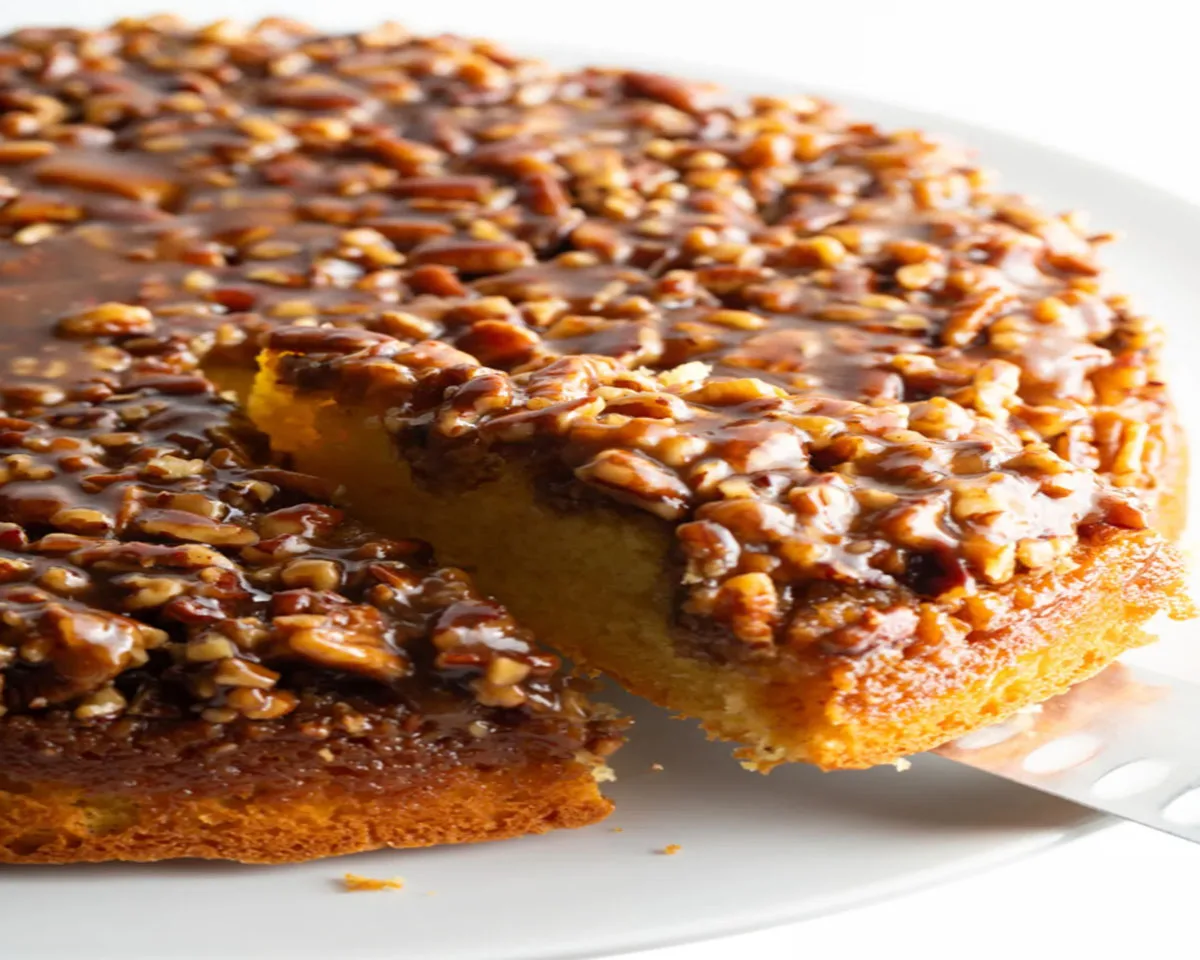
The first time I made Pecan Upside Down Cake, I wanted a dessert that felt warm, old-fashioned, and a little impressive without making my kitchen look like a disaster zone. I still remember watching the butter, brown sugar, and pecans bubble together in the pan. The smell alone told me I had picked the right cake. Then came the best part. I flipped it onto a plate and saw that glossy pecan topping settle over the soft cake like a caramel blanket. Pecan Upside Down Cake has stayed with me ever since. It feels homey, rich, and perfect for holidays or slow weekends. That appeal also shows up in top-ranking recipes, which often describe it as a mix of pecan pie flavor, sticky bun comfort, and tender cake in one dessert.
Why Pecan Upside Down Cake Feels Like a Timeless Dessert
A nostalgic cake with big Southern-style comfort
Pecan Upside Down Cake stands out because it feels both familiar and special. Pineapple upside-down cake may be the classic people know first, but pecans bring a deeper, richer flavor that feels warmer and more suited to fall and winter baking. The caramelized topping adds sweetness, while the nuts bring crunch and a buttery, toasted note. Then the cake underneath keeps everything soft and balanced. That contrast explains why so many modern versions still lean into the same idea: gooey pecan topping over tender cake. Delish calls it a mix between pecan pie and sticky buns, while Food & Wine highlights its pecan caramel top and tender cake base.
That combination makes the cake easy to love. It looks dramatic when you flip it, yet the method stays simple. You do not need elaborate decorating skills. You do not need layers or piping bags. You just need a good topping, a dependable batter, and the confidence to turn the pan over at the right moment.
What top-ranking recipes keep doing right
When you look at the best-performing recipe pages, a pattern appears quickly. Most build the topping from butter, brown sugar, and pecans. Several also add corn syrup or a similar sweetener to help create a glossy, sticky layer that holds together well after baking. Then they pair that topping with a yellow cake, vanilla cake, or spiced cake batter. Betty Crocker uses a yellow cake mix with a rich pecan topping, Allrecipes adds vanilla paste and a caramel-style pecan mixture, and Taste of Home leans into cinnamon and chopped pecans for a warm, classic finish.
Your recipe follows the same successful path. It uses butter, light brown sugar, light corn syrup, pecans, salt, and cinnamon for the topping, then layers on a yellow cake mix batter enriched with eggs, butter, and buttermilk or milk. That structure matches what readers already respond to in top results, which gives your version a strong foundation.
How the Pecan Topping Creates the Magic
Butter, brown sugar, and pecans do the heavy lifting
The topping gives Pecan Upside Down Cake its identity. Without it, you have a simple cake. With it, you get something glossy, rich, and unforgettable. Butter brings flavor and helps the sugar melt smoothly. Brown sugar adds depth and a caramel-like sweetness. Corn syrup helps the topping stay shiny and cohesive instead of turning grainy. Pecans provide crunch and a nutty richness that deepens as they toast in the oven. Cinnamon and salt sharpen the flavor and keep the sweetness from taking over.
Here is a quick look at the topping components:
| Ingredient | What it adds |
|---|---|
| Butter | Richness and silky texture |
| Brown sugar | Caramel depth |
| Light corn syrup | Gloss and sticky structure |
| Pecans | Crunch and nutty flavor |
| Cinnamon | Warm spice |
| Salt | Better balance |
That ingredient pattern shows up again and again in top results. Allrecipes, Betty Crocker, and Delish all use a sweet butter-based pecan topping as the heart of the cake, even when the cake batter itself varies.
Why cooking the topping first matters
Your method starts the topping in the skillet before the batter goes in, and that is a smart move. Melting the butter with the sugar and syrup first helps everything blend evenly. It also gives the pecans a head start, so they absorb flavor before baking begins. Once the mixture lightly simmers, the sugar dissolves and the topping becomes smoother and more cohesive.
That step matters because upside-down cakes depend on the topping releasing cleanly after the flip. A properly melted and combined topping improves the final texture and appearance. Many current recipes follow the same logic, whether they use a saucepan first or build the topping directly in the baking pan. The goal stays the same: create a sticky, even base that bakes into a caramelized pecan layer.
Building a Moist Cake Underneath the Caramelized Pecans
Cake mix keeps the recipe approachable
One reason Pecan Upside Down Cake keeps ranking well is convenience. Readers want a dessert that looks homemade and celebratory without requiring advanced technique. A yellow cake mix helps deliver that. It offers a reliable crumb, even rise, and familiar flavor. Then your recipe improves that base with eggs, melted butter, and buttermilk or whole milk. That combination adds moisture and richness, which matters because the topping already brings a lot of sweetness.
Top-ranking recipes often use a similar shortcut. Betty Crocker relies on yellow cake mix for ease, while other versions build a simple batter from scratch but still aim for the same soft, buttery result. That tells us something useful. People want the topping to be the star, while the cake underneath supports it with tenderness and structure.
Buttermilk and butter improve flavor and texture
Your recipe gives bakers a nice choice between buttermilk and whole milk, but buttermilk usually wins if you want extra tenderness and a slight tang. That small tang helps balance the rich pecan topping. Melted butter in the batter adds flavor and helps the crumb feel softer and more satisfying than a basic box mix alone.
Here is how the cake layer ingredients help:
| Ingredient | Main benefit |
|---|---|
| Yellow cake mix | Easy structure and sweetness |
| Eggs | Moisture and stability |
| Melted butter | Rich flavor |
| Buttermilk or milk | Soft crumb and moisture |
Many of the best current recipes also lean on moisture-boosting ingredients. Food & Wine uses sour cream and warm spice in its pecan upside-down cake, while The Kitchn emphasizes a streamlined method that still produces a tender, satisfying texture.
Tips for Baking, Flipping, and Serving Pecan Upside Down Cake
Bake carefully and flip at the right time
A good upside-down cake needs timing. Bake it until the center puffs and a toothpick comes out clean. Then let it cool just long enough to settle, but not so long that the topping hardens in the pan. Your 5 to 10 minute cooling window makes sense. That short rest helps the cake hold together while still allowing the topping to release.
When it is time to flip, place a serving plate or cake stand securely over the pan, hold both firmly, and turn them over in one steady motion. Food & Wine’s FAQ on upside-down cake notes that a knife around the edges and a gentle tap can help release the cake if it hesitates.
If a few pecans stay behind, do not panic. Scoop them out and press them back onto the cake while the topping is still warm. That little fix is common and keeps the final presentation looking generous and rustic.
Best occasions and serving ideas
Pecan Upside Down Cake shines during fall gatherings, Thanksgiving, Christmas dessert tables, and cozy Sunday dinners. It tastes especially good slightly warm, when the topping still feels soft and glossy. A scoop of vanilla ice cream or a spoonful of whipped cream fits naturally here because it cools the sticky topping and softens the richness.
Many top-ranking recipes position this cake as a holiday-friendly alternative to pecan pie. Delish highlights it as a less stressful but still beautiful holiday dessert, and The Kitchn emphasizes its quick prep and low-fuss method. That makes sense. It gives people those familiar pecan pie flavors in a form that feels easier, softer, and a little more relaxed.
Frequently Asked Questions
What makes Pecan Upside Down Cake different from pecan pie?
Pecan Upside Down Cake gives you the sticky, nutty topping you might expect from pecan pie, but it replaces the pie crust and custard filling with a tender cake base. Several top results describe it as pecan pie flavor in cake form.
Can I make Pecan Upside Down Cake in a cast-iron skillet?
Yes. Your recipe uses a deep dish cast-iron sauté pan, and that works well because cast iron handles heat evenly and helps the topping caramelize nicely.
Why do many recipes use corn syrup in the topping?
Corn syrup helps create a smooth, glossy, sticky topping and supports cleaner caramelization. Top results from Betty Crocker and Allrecipes include it for that reason.
How do I keep the topping from sticking to the pan?
Cook the topping until the sugar dissolves, avoid overcooling before flipping, and run a knife around the edges if needed. Then flip the cake while the topping still feels warm and fluid.
Conclusion
Pecan Upside Down Cake proves that a simple dessert can still feel rich, memorable, and deeply comforting. The caramelized pecan topping brings shine, crunch, and sweetness, while the moist cake underneath keeps every bite balanced and tender. That is exactly why this dessert keeps showing up across top recipe sites. It gives people the flavor of pecan pie, the beauty of an upside-down cake, and the ease of a straightforward bake. If you want a dessert that feels classic, cozy, and made for sharing, Pecan Upside Down Cake deserves a place on your table.
Full recipe:
Ingredients:
– ½ cups roughly chopped pecans
– 1 cup (2 sticks) butter, divided
– ½ cup packed light brown sugar
– ½ cup light corn syrup
– ½ teaspoon salt
– ½ teaspoon ground cinnamon
– 1 package (15 ounces) yellow cake mix
– 3 large eggs
– ¾ cup buttermilk or whole milk
 Instructions:
1. Preparation: Preheat the oven to 350°F (175°C). Prepare a 10-12 inch deep dish cast-iron sauté pan (or another oven-safe sauté pan of similar size).
2. Pecan Topping: Place the sauté pan over medium heat. Add chopped pecans, ½ cup of butter, light brown sugar, corn syrup, salt, and ground cinnamon. Stir until the butter melts and the mixture lightly simmers for about 3 to 5 minutes, ensuring the sugar dissolves completely. Turn off the heat.
3. Cake Batter: In a mixing bowl, combine the yellow cake mix, eggs, and buttermilk. Melt the remaining ½ cup of butter and add it to the bowl. Whisk the mixture until it becomes a smooth cake batter.
4. Assembling the Cake: Spoon the cake batter evenly over the pecan mixture in the cast iron skillet.
5. Baking: Place the skillet in the preheated oven and bake for 30 to 40 minutes. The cake should puff up in the center, and when a toothpick inserted comes out clean.
6. Cooling and Serving: Allow the upside-down cake to cool for 5 to 10 minutes in the pan. Carefully flip the cake onto a cake stand or plate. If any pecan mixture remains in the pan, scoop it out and place it back onto the cake.
Enjoy this delicious Pecan Upside Down Cake, showcasing the rich caramelized pecan topping over a moist and flavorful cake base!