
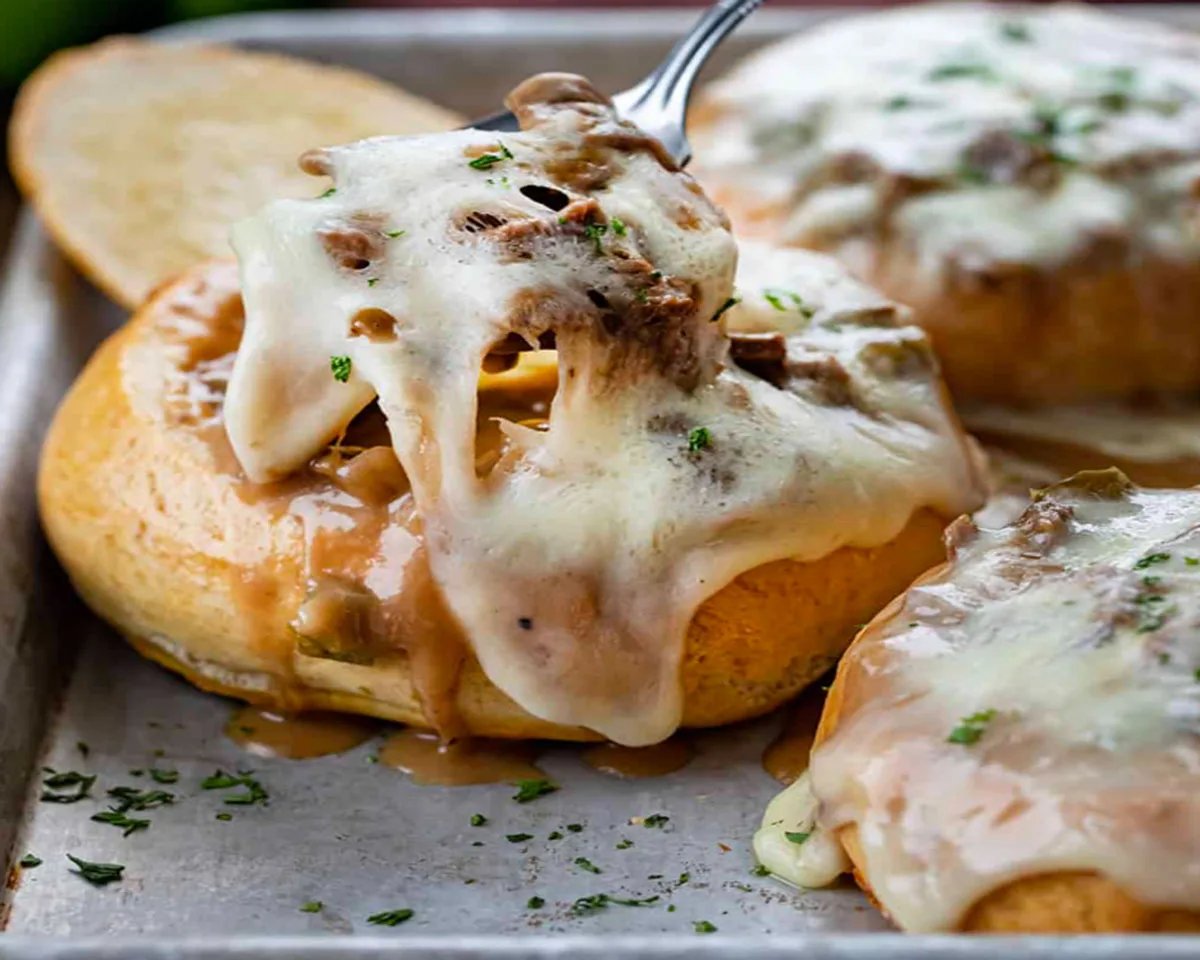
Philly Cheesesteak Stew Recipe: All the Iconic Flavors in One Incredible Bowl

Some recipe ideas hit you like a lightning bolt, and this Philly cheesesteak stew was exactly that kind of moment for me. It was a bitterly cold February night, and my husband had been talking about Philly cheesesteaks for three days straight after watching a food documentary. I didn’t have hoagie rolls or shaved ribeye in the house, but I did have a beautiful top round steak, a block of provolone, some bell peppers, and a full container of beef broth sitting on the shelf. Something clicked. What if I took every single flavor that makes a Philly cheesesteak so irresistible and turned the whole thing into a stew? I started cooking with zero certainty and finished with something so deeply savory, so rich with melted provolone and tender beef and sweet caramelized peppers, that my husband stood over the pot eating straight from the ladle before it even made it to the table. That Philly cheesesteak stew became an instant household legend, and every single person I’ve made it for since has asked for the recipe before the bowls were empty.

Why Philly Cheesesteak Stew Is the Ultimate Comfort Food Mashup

Taking a beloved, iconic dish and reimagining it in a completely different format is always a risk. But this Philly cheesesteak stew pulls off the transformation so naturally that it feels less like a reinvention and more like the dish was always meant to exist this way. Furthermore, the stew format actually enhances everything that makes a classic Philly cheesesteak great. The beef becomes even more tender through simmering. The peppers and onions develop a deeper, sweeter flavor as they cook low and slow in the broth. The provolone melts directly into the stew itself, creating a rich, creamy texture that coats every bite in cheesy goodness. Additionally, serving the whole thing in a hollowed-out bread bowl lined with slices of provolone brings the bread-and-cheese element of the original sandwich right back into the equation. It’s familiar and surprising at the same time, and that combination is exactly what makes this recipe so deeply satisfying to eat.

The Flavor Profile That Makes This Stew So Addictive

Every great dish has a flavor architecture — a logical hierarchy of tastes that builds from base notes to finish. This Philly cheesesteak stew has one of the most satisfying flavor architectures of any comfort food recipe out there. The foundation is a deeply seasoned beef broth thickened with flour, which creates a velvety, gravy-like consistency rather than a thin, watery soup base. Sitting on top of that foundation are the seared beef pieces, which bring a slightly caramelized, meaty depth from their time in the hot pan before the broth goes in. Moreover, the sautéed bell peppers and softened onions contribute sweetness and a gentle vegetal quality that balances the richness of the beef and cheese beautifully. Finally, the provolone melted directly into the stew adds a buttery, slightly tangy creaminess that ties every element together into something that genuinely tastes like a Philly cheesesteak in liquid form. The paprika, garlic powder, and onion powder layered into the seasoning add warmth and depth without overwhelming the core flavors.

Why the Bread Bowl Makes This Recipe Truly Special

The bread bowl is the detail that takes this Philly cheesesteak stew from a great weeknight dinner to a genuinely show-stopping meal. First, lining the inside of each bread bowl with a slice of provolone cheese before ladling in the stew creates a protective, cheesy barrier that prevents the bread from getting overly soggy too quickly. Second, placing another slice of provolone on top of the finished stew and running it under the broiler for one minute creates a bubbling, golden cheese lid that looks absolutely stunning on the table. Moreover, the bread bowl itself becomes part of the meal — as you eat the stew, the inside of the bread soaks up the rich, cheesy broth and becomes something extraordinary in its own right. Tearing chunks off the edge of the bread bowl and dipping them back into the stew is one of the most satisfying eating experiences this recipe delivers. Furthermore, the visual presentation of individual bread bowls filled with steaming, cheesy stew makes this dish feel restaurant-worthy and genuinely impressive for guests.

Complete Ingredients Guide for Philly Cheesesteak Stew

This recipe uses a carefully assembled list of ingredients that each play a specific role in recreating the iconic Philly cheesesteak experience in stew form. Here’s everything you need laid out clearly:

Ingredient Amount
Olive oil 1 tablespoon
Green bell pepper, diced 1 pepper (about ½ cup)
Yellow onion, diced 1 small (about ¼ cup)
Top round steak, thinly sliced 1¼ pounds
Kosher salt 1 teaspoon
Black pepper ½ teaspoon
Garlic powder ½ teaspoon
Onion powder ½ teaspoon
Paprika ¼ teaspoon
All-purpose flour 6 tablespoons
Beef broth 4 cups (960g)
Provolone cheese block, cubed 8 ounces
Provolone cheese slices 12 slices
Medium bread bowls 6 bowls
Fresh parsley for garnish As needed

Choosing and Preparing the Right Beef

The beef selection you make directly determines the texture and depth of flavor in your finished Philly cheesesteak stew. Top round steak is the ideal choice because it’s lean enough to avoid making the stew greasy, yet flavorful enough to hold its own against the rich broth and bold cheese. Slice it as thinly as possible against the grain — thin slices cook quickly, sear beautifully, and become tender through simmering without turning tough or chewy. A useful trick for achieving thin, uniform slices at home is to place the steak in the freezer for 20 to 30 minutes before cutting. Partially frozen meat firms up considerably and responds to a sharp knife with much greater precision than fresh, pliable meat. Moreover, cutting the thinly sliced steak into bite-sized pieces after slicing ensures every spoonful of stew delivers a complete, satisfying portion of tender beef without requiring awkward cutting at the table. Sirloin tip or flank steak also work well as alternatives if top round isn’t available.

Understanding the Double Provolone Strategy

Using provolone two ways — cubed and melted directly into the stew plus sliced for lining and topping the bread bowls — is the defining technique that makes this Philly cheesesteak stew taste genuinely extraordinary. The cubed provolone stirred into the hot stew melts completely into the broth, creating that signature creamy, cheesy richness throughout every single spoonful. This approach distributes the cheese flavor evenly rather than concentrating it only at the surface. Furthermore, provolone is the authentic cheese choice for a traditional Philly cheesesteak, and its mild, buttery, slightly sharp flavor integrates into the beef broth more gracefully than sharper cheeses like cheddar or more pungent options like blue cheese. The sliced provolone used in the bread bowl adds visual impact and creates distinct pockets of melted cheese that contrast beautifully with the stew’s thick, brothy base. Additionally, the optional broiling step at the end creates a golden, bubbling top layer that looks stunning and adds a slightly firmer, more intensely flavored layer of cheese to the finished presentation.

How to Make Philly Cheesesteak Stew Step by Step

Making this Philly cheesesteak stew requires one large pot or Dutch oven and a straightforward sequence of steps that build layers of flavor from the very beginning. A Dutch oven is the best vessel for this recipe because its heavy bottom distributes heat evenly, which is essential for properly searing the beef and developing a deep, flavorful fond on the bottom of the pot. That fond — the browned bits left behind after searing — dissolves into the broth when you add it later and contributes an enormous amount of savory depth to the finished stew. Start by heating one tablespoon of olive oil in your Dutch oven over medium-high heat until it shimmers and moves easily across the surface of the pan. High initial heat is essential for achieving proper searing rather than steaming.

Building the Base: Vegetables, Beef, and Roux

Add the diced green bell pepper to the hot oil and cook for 3 to 4 minutes, stirring occasionally, until slightly softened and showing light color at the edges. Transfer the cooked peppers to a separate plate and set them aside — you’ll add them back later to prevent them from becoming too soft during the longer simmering time. Reduce the heat to medium, add the diced onion, and cook for 3 to 5 minutes until softened and translucent. Add the thinly sliced steak pieces to the pot in a single layer if possible, season immediately with salt, black pepper, garlic powder, onion powder, and paprika, and sear for 3 to 4 minutes without stirring too frequently. Resist the urge to stir constantly — letting the beef sit undisturbed creates the browning that builds flavor. Next, stir the flour directly into the seasoned beef and coat every piece evenly. This step creates the roux that thickens the entire stew into a velvety, gravy-like consistency during simmering.

Simmering, Adding Cheese, and Finishing the Stew

Pour all four cups of beef broth into the pot, stirring constantly as you pour to prevent lumps from forming in the flour coating on the beef. Bring the mixture to a low boil over medium-high heat, then reduce the heat to low and let it simmer gently for 10 minutes. During this time, the flour fully cooks out, the broth reduces slightly and thickens into a rich, glossy consistency, and the beef tenderizes beautifully in the flavorful liquid. After 10 minutes, add the reserved cooked green peppers back into the pot and simmer for an additional 5 minutes to warm them through and let their flavors meld with the broth. Finally, remove the pot from direct high heat and stir in the cubed provolone cheese a handful at a time, stirring continuously between additions until each batch melts completely before adding the next. This gradual incorporation prevents the cheese from seizing or clumping and ensures a perfectly smooth, creamy stew. To serve, line each bread bowl with a slice of provolone, ladle the stew generously over the cheese, top with another slice of provolone, and broil for one minute if desired.

Serving, Storing, and Customizing Your Philly Cheesesteak Stew

This Philly cheesesteak stew is at its absolute best the moment it comes off the stove and gets ladled into warm, cheese-lined bread bowls. The combination of hot stew, melting provolone, and fresh parsley creates a presentation that feels genuinely special regardless of the occasion. Moreover, the recipe stores well and adapts beautifully to different customizations that let you put your own signature on the dish every time you make it.

Creative Variations and Serving Ideas

The base recipe is a complete, deeply satisfying dish as written, but a handful of easy variations let you explore different flavor directions without complicating the process. Swap green bell pepper for a combination of red and orange bell peppers for a sweeter, more colorful stew that looks visually stunning in the bread bowl. Add sliced baby bella mushrooms to the pot along with the onions for an earthy, meaty depth that complements the beef and cheese beautifully. Moreover, a tablespoon of Worcestershire sauce stirred into the broth adds a complex, slightly tangy layer of umami that intensifies the savory quality of the entire stew. For a spicier version, add a pinch of cayenne pepper or a few dashes of hot sauce to the seasoning blend. Additionally, if you prefer not to use bread bowls, serve the stew over toasted hoagie rolls sliced in half — the open-faced presentation directly echoes the original Philly cheesesteak and makes for an incredibly fun and satisfying alternative serving style.

How to Store and Reheat Leftover Philly Cheesesteak Stew

Store the leftover stew — separated from the bread bowls — in an airtight container in the refrigerator for up to 3 days. The stew actually develops even richer flavor overnight as the beef, cheese, and broth continue to meld together in the refrigerator. To reheat, warm individual portions in a small saucepan over low to medium heat, stirring frequently to prevent the cheese from sticking to the bottom of the pan. Add a small splash of beef broth if the stew has thickened too much during refrigeration to bring it back to the right consistency. Furthermore, avoid reheating at high heat, which can cause the melted cheese to separate and create a greasy, broken texture rather than a smooth, creamy one. The microwave works in a pinch — heat on medium power in 60-second intervals, stirring between each interval, until fully warmed through. Fresh bread bowls are always best made the day of serving rather than stored with the stew.

Frequently Asked Questions About Philly Cheesesteak Stew

Can I use a different cheese instead of provolone? Provolone is the most authentic choice and melts beautifully into the stew, but white American cheese is another classic Philly cheesesteak option that creates an even creamier, silkier consistency. Mozzarella works well for a milder flavor profile. Avoid hard, aged cheeses like aged parmesan or pecorino, as they don’t melt smoothly enough to integrate properly into the broth.

What cut of beef works best if I can’t find top round? Flank steak, sirloin tip, or skirt steak all work well as substitutes. The key is slicing whatever cut you choose as thinly as possible against the grain and cutting the slices into bite-sized pieces. Thinner cuts of beef respond better to the quick sear and short simmer time in this recipe without becoming tough.

Can I make this Philly cheesesteak stew in a slow cooker? Yes. Sear the beef and sauté the vegetables in a skillet first, then transfer everything to the slow cooker with the broth and seasonings. Cook on low for 6 to 7 hours or high for 3 to 4 hours. Stir in the flour mixed with a small amount of cold broth during the last 30 minutes to thicken the stew, then add the cubed provolone just before serving.

How do I prevent the bread bowl from getting too soggy? The provolone slice lining the inside of each bread bowl creates a protective cheese barrier that significantly slows moisture absorption. Serving the stew immediately after ladling it into the bread bowls also helps. Additionally, choose dense, crusty bread bowls rather than soft ones — a firmer crust holds up much longer against the liquid than a soft, pillowy bread.

Can I make this recipe gluten-free? Yes, with two simple substitutions. Replace the all-purpose flour with a gluten-free all-purpose flour blend or cornstarch — use 3 tablespoons of cornstarch instead of 6 tablespoons of regular flour for the same thickening effect. Serve the stew in gluten-free bread bowls or over steamed rice instead of traditional bread bowls.

Conclusion

This Philly cheesesteak stew takes one of America’s most beloved sandwiches and transforms it into a deeply comforting, rich, and impressive bowl of flavor that works beautifully for weeknight dinners and special occasions alike. The tender seared beef, sweet sautéed peppers and onions, velvety cheese-enriched broth, and spectacular bread bowl presentation come together into something that genuinely honors the original while creating a completely new and memorable eating experience. Moreover, the entire dish comes together in under 45 minutes using straightforward techniques and accessible ingredients, which makes it one of the most rewarding recipes in this collection. So grab your Dutch oven, slice that top round steak paper thin, and get ready to ladle the most incredible cheesy, beefy stew you’ve ever made into a warm, provolone-lined bread bowl — your family is going to lose their minds over this one.

Full recipe:

Ingredients:

– 1 tablespoon olive oil
– 1 diced green bell pepper (about ½ cup)
– 1 small diced yellow onion (about ¼ cup)
– 1 ¼ pounds thinly sliced top round steak, cut into bite-sized pieces
– 1 teaspoon kosher salt
– ½ teaspoon black pepper
– ½ teaspoon garlic powder
– ½ teaspoon onion powder
– ¼ teaspoon paprika
– 6 tablespoons all-purpose flour
– 4 cups (960 g) beef broth
– 1 block (8 ounces) provolone cheese, cut into ½-inch cubes
– 12 slices provolone cheese*, divided
– 6 medium bread bowls, with the center bread removed
– Freshly chopped parsley for garnish

  Instructions:

1. Heat olive oil in a large pot or Dutch oven over medium-high heat.
2. Add the diced peppers and cook for about 3-4 minutes. Transfer the cooked peppers to a plate and set aside.
3. Reduce the heat to medium. Add the diced onions to the pot and cook until softened, around 3-5 minutes.
4. Add the steak to the pot. Season the steak with salt, pepper, garlic powder, onion powder, and paprika. Sear the steak for 3-4 minutes.
5. Stir in the flour, ensuring it coats the steak pieces.
6. Pour in the beef broth, bring it to a low boil, then reduce the heat to low and simmer for 10 minutes.
7. After simmering, add the cooked green peppers and simmer for an additional 5 minutes.
8. Stir in the diced provolone cheese until melted and well combined with the stew.

To Serve:

1. Line each bread bowl with a slice of provolone cheese.
2. Ladle the stew into the bread bowls, on top of the cheese.
3. Place another slice of provolone cheese on top of the stew.
4. Optionally, broil for one minute to melt the cheese on top (keep an eye on it to prevent burning).
5. Serve the stew immediately, garnished with freshly chopped parsley.

Leave a Comment