
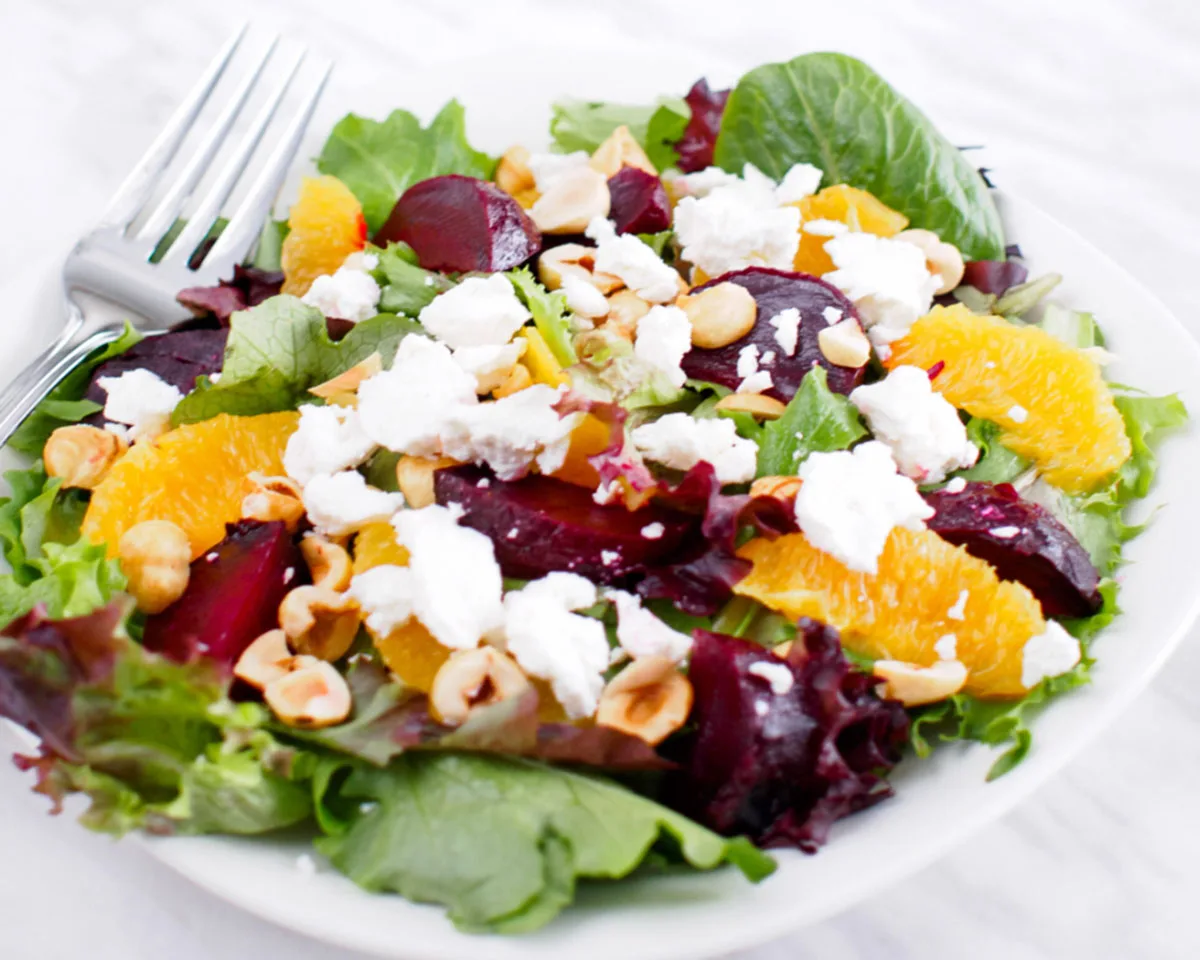
Roasted Beet and Orange Salad: A Vibrant Dish That Wakes Up Your Taste Buds

I first discovered roasted beet and orange salad at a friend’s spring brunch. I saw this bright pink-and-orange bowl on the table and almost skipped it. Beets reminded me of pickled slices from a jar, and I assumed I did not like them. But my friend insisted I try one bite. That single forkful changed everything. The beets were sweet, tender, and earthy. The oranges burst with fresh citrus. The creamy goat cheese and crunchy walnuts added richness and crunch. I went back for seconds, then thirds. That day, I learned that a great roasted beet and orange salad can convert even a beet skeptic. Since then, I have made this roasted beet and orange salad for holiday dinners, summer cookouts, and simple weeknight meals. It always steals the show. This roasted beet and orange salad is not just pretty. It delivers bold flavor, satisfying texture, and plenty of nutrients. Let me show you how to make it perfectly every time.

Part 1: Why This Salad Works So Well

This salad succeeds because it balances opposites. Sweet meets tangy. Soft meets crunchy. Earthy meets bright. Every bite offers something new.

The Magic of Roasting Beets

Raw beets taste earthy and slightly bitter. Roasting transforms them completely. The high heat caramelizes their natural sugars, creating a deep, sweet flavor. Roasted beets also turn tender and juicy, almost like a vegetable version of ripe fruit. You can roast beets whole or cut them into chunks. The recipe calls for two-inch pieces, which roast faster and get more caramelized edges. Keep red and golden beets separate during roasting. Red beets bleed their color, and you want to preserve the golden hue of yellow beets for a beautiful final presentation.

How Oranges Brighten the Dish

Oranges provide the perfect counterpoint to roasted beets. Their bright, tangy acidity cuts through the earthiness and sweetness. Fresh orange wedges also add a juicy pop of texture. Do not use canned or bottled orange segments. They lack the same vibrancy. You can use navel oranges, Cara Cara oranges, or blood oranges for a deeper color. Peel the oranges completely, removing all white pith. Then slice between the membranes to release pure wedges, or simply cut the peeled orange into rounds or chunks. The recipe also uses fresh orange juice in the dressing, which ties the whole dish together.

Part 2: Choosing and Preparing Your Ingredients

Quality ingredients make a noticeable difference in this salad. Let me walk you through the best choices for each component.

Selecting the Best Beets and Oranges

Look for beets that feel firm and heavy for their size. Avoid soft, wrinkled, or shriveled beets. The greens attached should look fresh, not wilted. Red beets are the most common, but golden beets add beautiful color contrast. Golden beets taste slightly milder and less earthy than red ones. A mix of both creates the most stunning salad. For oranges, choose heavy, fragrant fruits. A heavy orange means it is full of juice. Navel oranges are seedless and easy to segment. Cara Cara oranges have a pinkish flesh and a sweeter, less acidic flavor. Blood oranges add a dramatic dark red color and a berry-like tang.

Arugula, Walnuts, and Goat Cheese: Why These Pairings Work

Arugula provides a peppery, slightly bitter base that stands up to the sweet beets and oranges. Its sharpness keeps the salad from tasting too sugary. If you find arugula too strong, substitute baby spinach or mixed spring greens. Walnuts add a toasty, nutty crunch. Toast them in a dry skillet for three to five minutes to deepen their flavor. Pecans or almonds also work. Goat cheese brings a tangy, creamy, and slightly salty element. It melts slightly when it touches the warm beets, creating a luxurious mouthfeel. Feta cheese or blue cheese make good substitutes if you do not like goat cheese.

Making the Citrus Vinaigrette

The dressing is simple but essential. Combine three tablespoons of fresh orange juice, a quarter cup of extra virgin olive oil, two tablespoons of white balsamic vinegar, and one tablespoon of honey. Whisk until emulsified. White balsamic vinegar is milder and lighter in color than dark balsamic, so it does not stain the salad. You can substitute champagne vinegar or apple cider vinegar. Season with salt and pepper to taste. The dressing should taste tangy, sweet, and slightly salty. Use half of it to toss the beets while they are still warm. Warm beets absorb flavors better than cold ones.

Part 3: Step-by-Step Roasting and Assembly

Follow these instructions for a flawless roasted beet and orange salad. The process is straightforward, but a few details matter.

How to Roast Beets Without Mess

Preheat your oven to 400°F. Peel the beets with a vegetable peeler. Wear gloves if you want to avoid staining your hands. Cut the beets into two-inch chunks. Place red beets on one sheet of aluminum foil and yellow beets on another sheet. Drizzle each pile with one tablespoon of olive oil. Fold the foil over and crimp the edges to form sealed pouches. Place both pouches on a baking sheet. Roast for about 30 minutes, or until a fork pierces the beets easily. The foil pouches trap steam, which cooks the beets gently. This method also prevents the red color from bleeding onto the yellow beets. Let the beets cool slightly before opening the pouches.

Assembling the Salad for Maximum Visual Impact

While the beets roast, make the dressing. Toast the walnuts in a dry skillet over medium heat for three to four minutes, shaking frequently. Set them aside to cool. Wash and dry the arugula. Peel and segment the oranges. Once the beets are done, open the pouches carefully to avoid steam burns. Transfer the red and golden beets to separate bowls. Toss each color with a portion of the dressing (use about half the total dressing). This step keeps the colors vibrant. To assemble, place a bed of arugula on each plate or in a large serving bowl. Scatter the roasted beets, orange wedges, toasted walnuts, and goat cheese crumbles over the greens. Drizzle the remaining dressing on top. Season with a pinch of salt and a few grinds of black pepper. Serve immediately.

Part 4: Serving Ideas, Variations, and Storage

This roasted beet and orange salad is versatile. You can serve it in many ways and adapt it to your tastes.

When to Serve This Salad

Serve this salad as a starter for holiday dinners. It looks stunning on a Thanksgiving or Christmas table. Pair it with roasted chicken, grilled salmon, or pork tenderloin for a complete meal. It also works as a light lunch on its own. Add grilled shrimp or chickpeas for extra protein. Bring it to potlucks or summer barbecues. The bright colors and fresh flavors stand out next to heavier dishes. For a brunch spread, serve it alongside quiche or frittata. The salad tastes best at room temperature, so you can make it ahead and let it sit for up to an hour before serving.

Creative Variations to Try

Swap the walnuts for pistachios, pecans, or hazelnuts. Replace goat cheese with feta, ricotta salata, or shaved Parmesan. Add sliced red onion or shallots for a sharp bite. Toss in a handful of pomegranate arils for extra sweetness and crunch. Use mixed citrus like grapefruit or blood oranges for a different flavor profile. Add cooked quinoa or farro to turn the salad into a grain bowl. For a vegan version, omit the cheese or use a plant-based feta. Drizzle with a balsamic glaze instead of the citrus vinaigrette for a richer, darker finish.

How to Store Leftovers

Store leftover salad components separately if possible. Keep the dressed beets, undressed greens, oranges, nuts, and cheese in separate containers. Assembled salad does not keep well because the greens wilt and the nuts lose crunch. If you already mixed everything, eat it within a few hours. Leftover roasted beets alone stay fresh in the fridge for up to five days. Use them in other salads, blend them into hummus, or add them to grain bowls. The dressing keeps for a week in a sealed jar in the refrigerator. Shake it well before using.

Roasted Beet and Orange Salad FAQs

Do I have to peel the beets before roasting? Yes. Peeling before roasting is easier than peeling after. Use a vegetable peeler while the beets are raw. Wear gloves to avoid staining your hands.

Can I use canned beets instead of fresh? You can, but the flavor and texture suffer. Canned beets are already cooked and often taste metallic. If you use them, skip the roasting and toss them directly with dressing.

How do I prevent red beets from bleeding into other ingredients? Roast red and golden beets in separate foil pouches. Toss each color with dressing in separate bowls. Assemble the salad by placing colors on different sides of the plate.

What can I use instead of white balsamic vinegar? Champagne vinegar, rice vinegar, or apple cider vinegar all work. The flavor will be slightly different, but the salad will still taste great.

Is this salad healthy? Yes. Beets are rich in folate, manganese, and fiber. Oranges provide vitamin C. Arugula offers vitamins A and K. Walnuts supply healthy omega-3 fats. Goat cheese adds protein and calcium.

Can I make this salad ahead of time? You can roast the beets and make the dressing up to three days in advance. Toast the walnuts one day ahead. Assemble the salad within an hour of serving for the best texture.

Why are my beets taking longer than 30 minutes to roast? Larger beet chunks need more time. Check for tenderness with a fork. If the beets are still firm, reseal the foil pouches and roast for another 10 to 15 minutes.

What is the best way to toast walnuts? Heat a dry skillet over medium heat. Add walnuts and stir constantly for three to four minutes until fragrant and lightly browned. Watch closely because nuts burn quickly.

Conclusion

Roasted beet and orange salad proves that simple ingredients can create something extraordinary. The sweet, tender beets, bright citrus, peppery arugula, crunchy walnuts, and creamy goat cheese come together in perfect harmony. This salad works for weeknight dinners, holiday feasts, or any time you want to eat something beautiful and delicious. The recipe is forgiving, the prep is straightforward, and the result always impresses. Do not let old memories of canned beets hold you back. Roast fresh beets just once, and you will understand why this salad has become a modern classic. Now preheat your oven to 400°F, grab some beets and oranges, and get ready to make the most colorful salad of your life.

Full recipe:

Ingredients:

For the beets:
– 6 medium-sized beets, a mix of red and yellow
– 2 tablespoons extra virgin olive oil
– 3 heaping cups arugula
– 3 oranges, peeled and cut into wedges
– ½ cup walnuts
– ½ cup goat cheese crumbles

For the beet salad dressing:
– 3 tablespoons fresh orange juice
– ¼ cup extra virgin olive oil
– 2 tablespoons white balsamic vinegar
– 1 tablespoon honey
– Salt and pepper, to taste

  Instructions:

1. Preheat the oven to 400 degrees Fahrenheit. Peel the beets using a vegetable peeler and slice them into two-inch pieces.

2. Line a baking pan with two pieces of aluminum foil. Place the red beets on one foil sheet and the yellow beets on the other. Drizzle one tablespoon of olive oil over each set of beets. Fold and pinch the edges to seal each foil pouch, separating the colors. Place them on the baking pan and bake for about 30 minutes or until tender.

3. While the beets roast, whisk together the orange juice, olive oil, white balsamic vinegar, and honey to prepare the salad dressing.

4. Once the beets are done, combine them with half of the salad dressing. To prevent colors from bleeding, consider mixing them in separate bowls.

5. Layer plates or bowls with arugula, then top with the roasted beets, orange wedges, walnuts, and goat cheese. Drizzle the remaining dressing over the salad as desired. Season with salt and pepper to taste.

6. Enjoy the vibrant flavors and contrasting textures of this Roasted Beet and Orange Salad!

Leave a Comment