
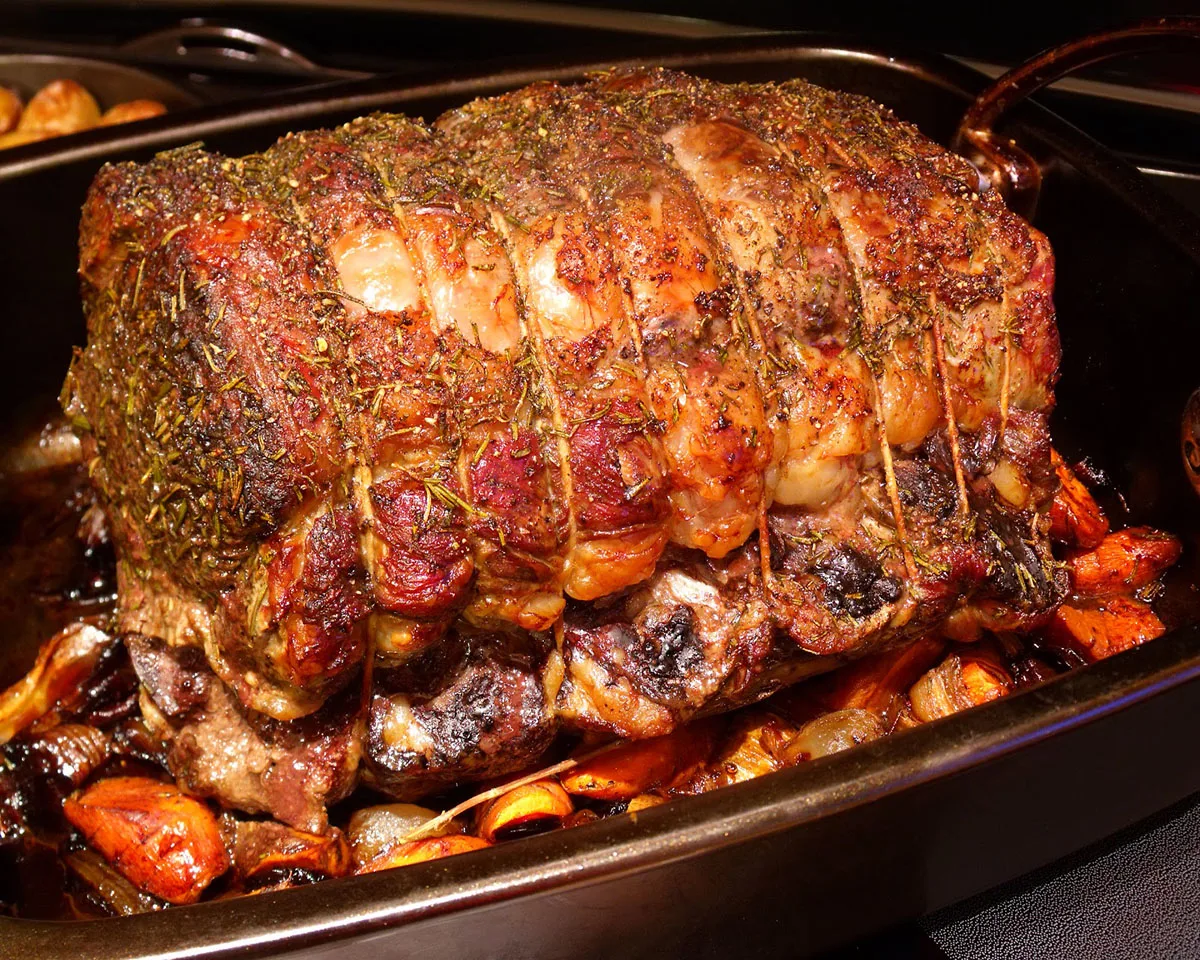
Rosemary Prime Rib with Dijon Mustard: An Elegant Roast for Special Occasions

The first time I prepared rosemary prime rib with Dijon mustard, it was for a holiday dinner when I wanted something truly memorable. A beautifully marbled roast sat on the counter, and the idea of combining rosemary prime rib with Dijon mustard instantly felt right. The bold aroma of rosemary, the sharp tang of Dijon mustard, and the rich flavor of prime rib promised something extraordinary. As the roast cooked, the kitchen filled with an irresistible fragrance that made everyone eager for dinner.

When I finally sliced into the rosemary prime rib with Dijon mustard, the meat was perfectly tender with a flavorful crust. The rosemary and Dijon mustard created a savory coating that sealed in the juices and enhanced every bite. Since then, rosemary prime rib with Dijon mustard has become my go-to centerpiece for festive meals, family celebrations, and any dinner that deserves something truly impressive.

PART 1: Rosemary Prime Rib with Dijon Mustard – Why This Roast Stands Out

The flavor power of rosemary prime rib

Prime rib remains one of the most luxurious cuts of beef thanks to its rich marbling and natural tenderness. When cooked properly, the meat becomes juicy, flavorful, and incredibly satisfying.

Fresh rosemary plays an essential role in enhancing the flavor of this roast. Its pine-like aroma and earthy undertones complement the richness of the beef perfectly. As the roast cooks, rosemary releases oils that infuse the meat with deep herbal flavor.

Ingredient | Role in the Dish
Prime rib | Provides tender, rich beef flavor
Fresh rosemary | Adds aromatic herbal notes
Fresh thyme | Enhances depth of flavor
Black pepper | Adds subtle heat

Together, these ingredients create a classic herb-crusted roast that feels both elegant and comforting.

The bold Dijon mustard crust

Dijon mustard brings sharp, tangy flavor that balances the richness of prime rib. When brushed over the meat before roasting, it forms a flavorful layer that helps the herb crust stick to the roast.

The mustard also caramelizes slightly during cooking, creating a savory crust. This crust seals moisture inside the meat and enhances the roast’s overall flavor.

The result is a roast with bold seasoning, tender interior, and a perfectly seasoned outer layer.

PART 2: Rosemary Prime Rib with Dijon Mustard Ingredients and Preparation

Essential ingredients for rosemary prime rib with Dijon mustard

This recipe uses a few high-quality ingredients that work together to produce a deeply flavorful roast.

Ingredient | Quantity
Prime rib roast | About 6 lbs
Dijon mustard | ¼ cup
White onions | 2 sliced
Kosher salt | 1½ cups
Prepared horseradish | ⅓ cup
Mustard seeds | 2 Tbsp
Fresh thyme | 2 Tbsp
Fresh rosemary | 2 Tbsp
Ground black pepper | 2 Tbsp
Bay leaves | 5 crumbled
Egg whites | 3

These ingredients create a flavorful salt crust that locks in moisture and adds complexity to the roast.

Choosing the best prime rib and herbs

When selecting prime rib, look for a roast with consistent marbling. The fat melts during cooking and keeps the meat juicy.

Fresh herbs always deliver the best flavor for rosemary prime rib with Dijon mustard. Fresh rosemary and thyme release aromatic oils that enhance the roast’s savory depth.

Using kosher salt instead of regular salt also improves the texture of the crust while seasoning the meat evenly.

PART 3: How to Make Rosemary Prime Rib with Dijon Mustard

Preparing the Dijon mustard herb crust

Begin by preheating the oven to 450°F. Arrange thick slices of white onion in the bottom of a roasting pan to form a natural rack for the meat.

Brush the entire prime rib roast evenly with Dijon mustard. This step helps the seasoning mixture stick to the meat and adds tangy flavor.

In a large bowl, combine kosher salt, horseradish, mustard seeds, thyme, rosemary, black pepper, and crumbled bay leaves. Add egg whites and mix until the texture resembles damp sand.

Press the salt mixture over the fat side and ends of the roast.

Roasting the prime rib to perfection

Place the roast bone-side down on top of the onion slices in the roasting pan. Roast the meat at 450°F for 15 minutes to create a flavorful crust.

Reduce the oven temperature to 325°F and continue roasting for about 20 minutes per pound. Use an instant-read thermometer to check the internal temperature.

For medium-rare prime rib, cook until the center reaches about 130°F.

Once cooked, transfer the roast to a cutting board and allow it to rest for 20 minutes. Remove and discard the hardened salt crust before slicing.

PART 4: Tips for Perfect Rosemary Prime Rib with Dijon Mustard

Expert tips for juicy prime rib

Allow the prime rib to reach room temperature before roasting. This helps the meat cook more evenly.

Always use a meat thermometer to monitor the internal temperature. This ensures the roast reaches the perfect doneness without overcooking.

Resting the roast after cooking remains essential. The juices redistribute throughout the meat, resulting in tender slices.

Serving and storing rosemary prime rib

Rosemary prime rib with Dijon mustard pairs beautifully with classic side dishes such as roasted potatoes, steamed vegetables, or creamy mashed potatoes.

Leftovers can be sliced thinly for sandwiches or reheated gently for another meal.

Storage Method | Duration
Refrigerator | Up to 4 days
Freezer | Up to 3 months
Reheat temperature | 300°F until warmed

Proper storage helps maintain the flavor and tenderness of the roast.

FAQ

What temperature should prime rib reach for medium-rare?

Prime rib should reach an internal temperature of about 130°F before resting.

Can I prepare the rosemary crust ahead of time?

Yes. You can mix the seasoning blend several hours in advance and store it covered in the refrigerator.

Do I need to remove the salt crust before serving?

Yes. After resting, crack and remove the salt crust before slicing the roast.

Can I use dried rosemary instead of fresh?

Fresh rosemary provides the best flavor, but dried rosemary can work if fresh herbs are unavailable.

Conclusion

Rosemary prime rib with Dijon mustard creates a stunning centerpiece that combines classic flavors with elegant presentation. The tender prime rib, aromatic herbs, and tangy mustard crust form a dish that feels both luxurious and comforting.

Whether served for holidays, celebrations, or a memorable family dinner, rosemary prime rib with Dijon mustard delivers impressive flavor and satisfying richness. Once you prepare this roast, it may quickly become your signature dish for special occasions.

Full recipe:

Ingredients:

  • 2 white onions, cut into 1-inch (2.5 cm) slices
  • ¼ cup Dijon mustard
  • 1 prime rib (about 6 lbs/2.7 kg)
  • 1 1/2 cups (375 ml) kosher salt
  • ⅓ cup (75 mL) prepared horseradish
  • 2 tbsp (30 ml) mustard seeds
  • 2 tbsp (30 ml) fresh thyme
  • 2 tbsp (30 ml) fresh rosemary
  • 2 tbsp (30 ml) ground black pepper
  • 5 bay leaves, crumbled
  • 3 egg whites

Methods:

  1. Preheat the oven to 450°F (230°C).
  2. Place the onion slices in the bottom of a roasting pan. Set aside.
  3. Evenly brush the prime rib with mustard. Set aside.
  4. In a large bowl, combine salt, horseradish, mustard seeds, thyme, rosemary, pepper, and bay leaves. Add the egg whites and stir until the mixture resembles wet sand. Press the salt mixture evenly over the fat side and ends of the prime rib. Place the meat, bone side down, over the onions in the roasting pan.
  5. Roast for 15 minutes. Reduce the oven temperature to 325°F (160°C) and continue cooking for 20 minutes per pound (450 g) or until an instant-read thermometer inserted into the thickest part of the roast indicates 130°F (55°C), ensuring the meat is cooked to medium-rare.
  6. Transfer the rib roast to a cutting board and let it rest for 20 minutes. Remove and discard the salt crust before slicing the meat.
  7. Enjoy!


Leave a Comment