
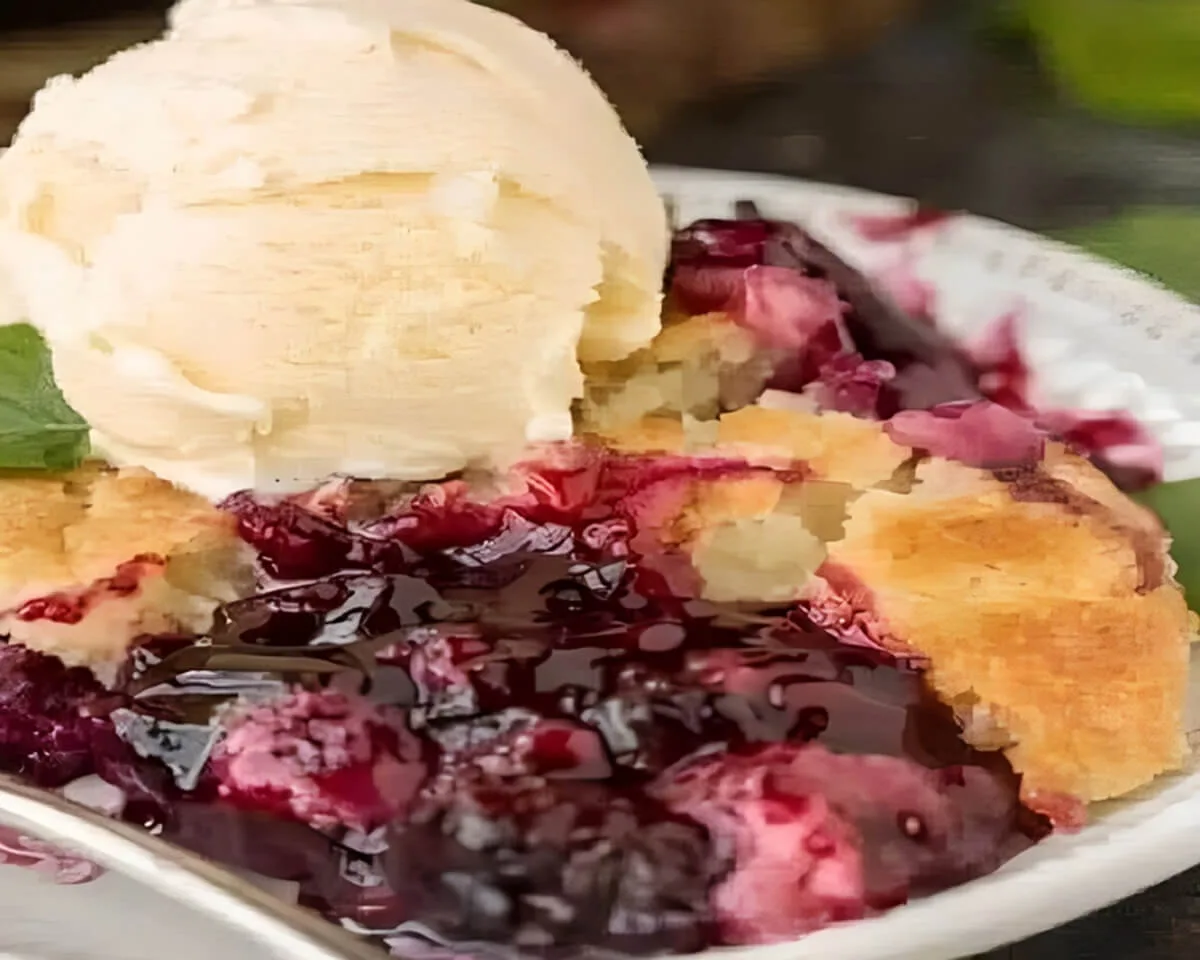
I still remember the first time I pulled a bubbling blackberry cobbler out of my grandmother’s cast iron skillet. The kitchen smelled like butter and sugar and ripe summer berries. She winked at me and said, “Now this, this is real love.” That day, I learned that blackberry cobbler isn’t just a dessert. It’s a memory, a tradition, a sticky-fingered joy that brings people together. Over the years, I have baked dozens of versions, some great and some total disasters. I once made a cobbler so soupy that my uncle called it “blackberry soup with dumplings.” But after all that trial and error, I finally cracked the code. Now I want to share everything I have learned about making the perfect blackberry cobbler. Whether you pick wild berries on a country road or grab a container from the grocery store, this blackberry cobbler recipe will turn your kitchen into a warm, sweet-smelling haven. Let’s get started.
Part 1: Why Blackberry Cobbler Deserves a Place at Your Table
The Nostalgia and Comfort of a Homemade Cobbler
A blackberry cobbler tastes like summer, like family gatherings and lazy Sunday afternoons. You don’t need fancy techniques or expensive equipment to make it. The beauty of a blackberry cobbler lies in its rustic, imperfect charm. A good cobbler has a juicy, jammy berry filling and a golden, buttery topping. Some versions use a biscuit-style dough, while others pour a thin batter over the fruit, creating a cake-like crust as it bakes. Southern cooks have passed down these recipes for generations, and for good reason. A homemade blackberry cobbler tastes leagues better than anything from a box.
How Blackberries Transform a Simple Dessert
Blackberries are the real star here. Their natural tartness balances the sweetness of the sugar, and their deep purple color turns any dessert into a showstopper. When blackberries bake, they release their juices and become soft and jammy. The key to a great blackberry cobbler is coaxing out that juice without making the filling watery. A little cornstarch or flour thickens the berry juices into a luscious syrup. I always use fresh blackberries when they are in season, but frozen berries work beautifully year-round. Just make sure to thaw and drain them first. The best blackberry cobbler lets the fruit shine without getting lost in too much sugar or spice.
Part 2: The Classic Blackberry Cobbler Filling
Choosing and Preparing Your Blackberries
For a truly outstanding blackberry cobbler, start with good berries. Look for plump, deep purple blackberries with a sweet fragrance. If you are picking your own, wear long sleeves to protect against thorns. Fresh blackberries are fragile, so handle them gently. When you get them home, wash them just before using. Fill a large bowl with cool water and a tablespoon of baking soda, let the berries soak for about fifteen minutes, then rinse and drain. For frozen berries, thaw them in a colander over a bowl so the excess liquid drains away. You need about four to six cups of blackberries for a standard 8×8 or 9×9 pan. This amount gives you a generous filling without overflowing.
Macerating and Thickening the Berry Filling
The secret to a non-runny blackberry cobbler is macerating the fruit. Toss the blackberries with sugar, cornstarch, and a squeeze of fresh lemon juice. Let the mixture sit for twenty to thirty minutes. The sugar draws out the berries’ natural juices, and the cornstarch thickens those juices during baking. This technique ensures that your filling turns into a glossy, jammy sauce instead of a watery mess. I like to add a pinch of salt to the berry mixture as well. Salt enhances the sweetness and balances the tartness of the blackberries. For extra flavor, stir in half a teaspoon of ground cinnamon or a dash of vanilla extract. Once the berries have macerated, pour them into a buttered baking dish or a hot cast iron skillet.
| Berry Type | Prep Tip | Texture Result |
|---|---|---|
| Fresh blackberries | Wash gently, pat dry | Plump, juicy, bright flavor |
| Frozen blackberries | Thaw, drain excess liquid | Slightly softer, more jammy |
| Mixed berries | Adjust sugar to taste | Complex, tangy flavor profile |
Part 3: The Perfect Topping
Biscuit Topping vs. Cake Batter Topping
There are two main styles of blackberry cobbler topping. The first is a biscuit-style topping, made by rubbing cold butter into flour, baking powder, sugar, and salt, then stirring in buttermilk or cream. Drop spoonfuls of this dough over the berries before baking. The second style uses a thin, pourable batter that you pour over the melted butter in the pan, then top with berries. As the cobbler bakes, the batter rises up through the fruit, creating a cake-like crust. Both styles are delicious, but I prefer the biscuit topping for its flaky, tender texture. The biscuit method also allows you to scatter the dough in rustic clumps, leaving gaps where the bubbling berry juices peek through.
Building the Best Biscuit Crust
For a blackberry cobbler with a light, fluffy crust, you need to handle the dough gently. Combine two cups of all-purpose flour, a quarter cup of sugar, one tablespoon of baking powder, and half a teaspoon of salt. Cut in half a cup of very cold unsalted butter until the mixture looks like coarse crumbs. Then stir in three-quarters of a cup of cold buttermilk until the dough just comes together. Do not overmix. Overworking the dough develops gluten and makes the topping tough. Drop spoonfuls of the dough over the berry filling, spacing them evenly. Sprinkle the dough discs with a little extra sugar before baking. This step creates a sweet, slightly crunchy top that contrasts perfectly with the soft berries.
Part 4: Assembling, Baking, and Serving
Layering and Baking to Golden Perfection
Preheat your oven to 375°F. If you are using a cast iron skillet, melt a few tablespoons of butter in the skillet over low heat, then swirl to coat the bottom and sides. Pour the macerated blackberries into the skillet. Drop the biscuit dough on top. For a batter-style cobbler, melt half a cup of butter in the baking dish, then pour a simple batter of flour, sugar, baking powder, milk, and vanilla over the butter. Do not stir. Scatter the blackberries over the batter and sprinkle with sugar. Bake for thirty-five to forty-five minutes, until the fruit is bubbly and the topping is golden brown. If the topping browns too quickly, cover the dish with foil for the last ten minutes of baking. Let the cobbler cool on a wire rack for at least fifteen minutes before serving.
Serving and Storing Your Blackberry Cobbler
The best way to enjoy blackberry cobbler is warm, with a generous scoop of vanilla ice cream or a drizzle of heavy cream. The contrast between the hot, jammy berries and the cold, melting ice cream is pure bliss. You can also serve it with whipped cream or a dollop of Greek yogurt for breakfast. Leftover cobbler keeps well in the refrigerator for up to five days. Reheat individual portions in the microwave for twenty seconds or in a 350°F oven for ten minutes. Blackberry cobbler also freezes beautifully. Cool the baked cobbler completely, wrap it tightly in plastic wrap and foil, and freeze for up to three months. Thaw overnight in the refrigerator and reheat before serving.
Frequently Asked Questions
Can I use frozen blackberries instead of fresh?
Yes, you can. Frozen blackberries make a perfectly delicious blackberry cobbler. Thaw them in a colander set over a bowl to catch the excess liquid. Use that liquid to make a syrup if you like, but do not add it back to the filling unless you adjust the cornstarch accordingly.
Why is my cobbler filling runny?
Runny filling usually means you did not use enough cornstarch or flour. Add one to two tablespoons of cornstarch to the berry mixture before baking. Alternatively, cook the berry filling on the stovetop for a few minutes to activate the cornstarch before pouring it into the baking dish.
Do I have to use a cast iron skillet?
No, but a cast iron skillet heats evenly and creates a beautifully browned crust. You can also use an 8×8 glass or ceramic baking dish. Just be aware that glass may bake more slowly, so add five to ten minutes to the baking time.
Can I make this recipe gluten-free?
Yes. Substitute the all-purpose flour with a gluten-free 1:1 baking blend that contains xanthan gum. For the biscuit topping, use cold vegan butter or solid coconut oil. The texture will be slightly more delicate, but the flavor remains great.
How do I store leftover blackberry cobbler?
Store leftover cobbler in an airtight container in the refrigerator for up to five days. Reheat in the microwave or oven. You can also freeze the baked cobbler for up to three months. Thaw overnight in the refrigerator and reheat before serving.
Conclusion
Blackberry cobbler is more than a recipe. It is a connection to the past, a comfort on a chilly evening, and a celebration of summer’s bounty. With a few simple ingredients and a little patience, you can create a dessert that will have everyone asking for seconds. The sweet-tart berries, the buttery golden crust, and the warm, bubbling filling come together in perfect harmony. So preheat your oven, gather your berries, and get ready to bake a cobbler that will become a family favorite. Whether you serve it with ice cream on a hot July afternoon or with coffee on a cool September night, this blackberry cobbler will bring joy to your table. Do not be afraid to make it your own. Add a pinch of cinnamon, a splash of bourbon, or a handful of oats to the topping. The best cobbler is the one you make with love. Now go forth and bake.
Full recipe:
Ingredients:
- 600 to 800 grams of blackberries
- 150 grams flour
- 80 grams fine sugar + 2 tablespoons
- 80 grams butter
- 50 grams coconut
- 1/2 teaspoon baking powder
- 3 tablespoons milk or vegetable milk
Directions:
- Wash the blackberries well and drain them. Place them in an ovenproof dish (ideally a pie plate), then sprinkle with 2 tablespoons of sugar. Mix and set aside.
- In a bowl, place the flour, sugar, coconut, baking powder, butter cubes, and coconut. Mix by hand until the dough is half shortbread and half compact.
- Add milk and mix everything together.
- Leave it to rest for half an hour in the refrigerator.
- After this time, collect the dough. Cut small pieces of dough the size of a walnut. Roll it into a ball and crush it with the palm of your hand to form discs about 4 cm in diameter.
- Cover the blackberries with these discs.
- Bake for 30 minutes at 180 °C.
- Serve warm or at room temperature.
In conclusion, homemade blackberry cobbler is not just a dessert; it’s a testament to the joy of creating something extraordinary from simple ingredients. With each step, the process unfolds like a cherished family tradition, promising a delightful culinary experience that lingers in both memory and taste.