
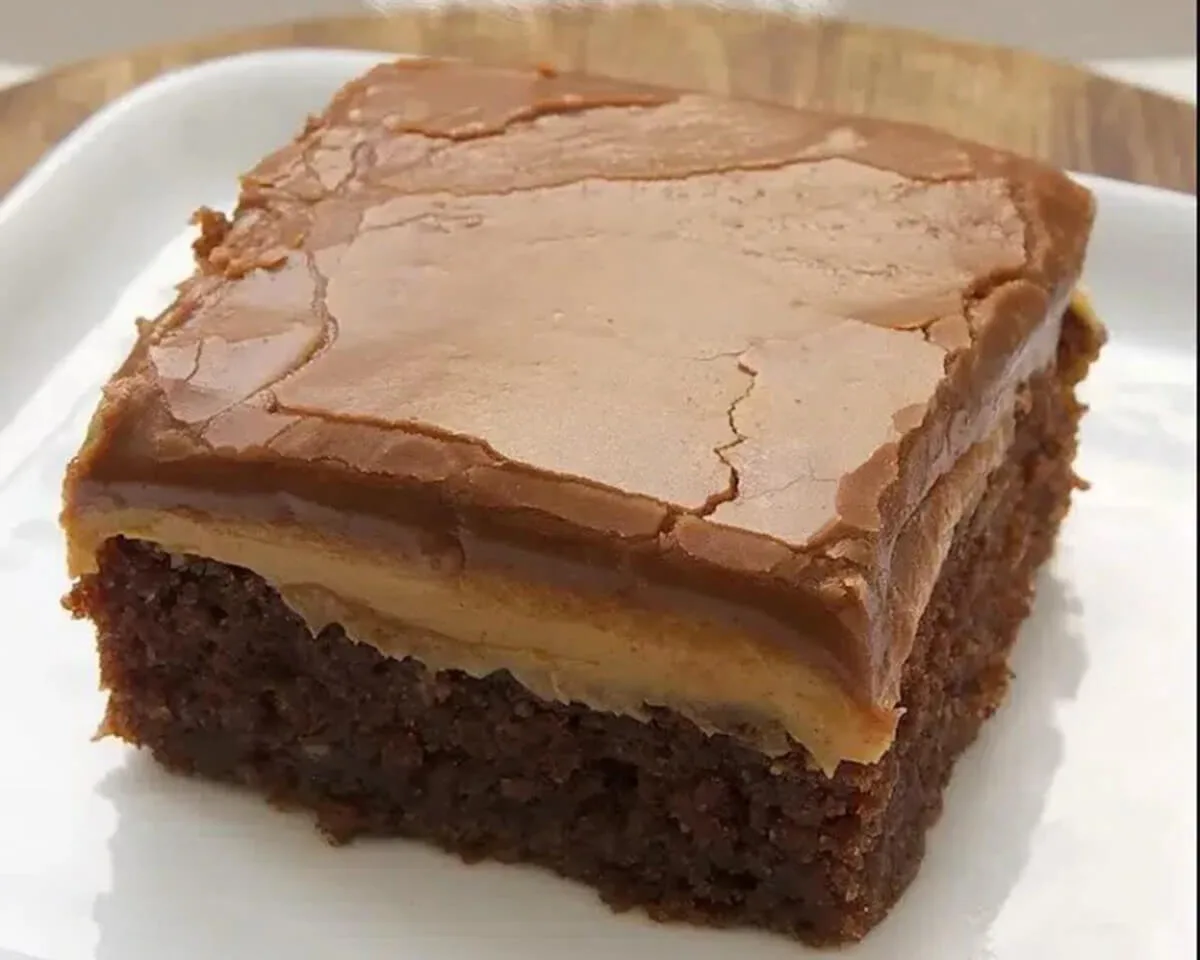
The Ultimate Guide to the Indulgent Peanut Butter Texas Sheet Cake

There is a legendary status that follows the Texas Sheet Cake. It is a dessert born from the idea that everything is bigger and bolder in the Lone Star State, designed to feed a crowd and satisfy the deepest chocolate cravings imaginable. But when you take that classic, thin, fudgy chocolate base and introduce a thick, velvety layer of creamy peanut butter, you aren’t just making a cake—you’re orchestrating a culinary event. This Peanut Butter Texas Sheet Cake is a symphony of flavors and textures, a masterpiece that balances the earthy richness of cocoa with the salty-sweet allure of peanut butter. I remember the first time I saw this cake served at a summer barbecue; the way the warm icing settled over the peanut butter layer created a glossy, glass-like finish that looked almost too perfect to eat. Of course, once the first slice was cut, it was gone in minutes. It is a dessert that invites nostalgia, reminding us of church potlucks, family reunions, and the simple joy of a home-baked treat shared among friends.

The Architectural Foundation: Crafting the Perfect Sheet Cake Base

The beauty of a Texas Sheet Cake lies in its unique dimensions. Unlike a towering layer cake that requires dowels and structural engineering, the sheet cake is wide, thin, and incredibly moist. This increased surface area means every single bite has the perfect ratio of cake to topping. To begin this journey, you must first prepare your canvas. A 9” x 13” baking pan is the standard, and it requires a light greasing and a dusting of flour to ensure your masterpiece releases easily when it’s time to serve. Preheating your oven to a toasty 350°F is the first step in ensuring that “oven spring”—that initial puff of air that gives the cake its tender, light crumb.

Mastering the Dry Medley

In a sizable mixing bowl, you begin by whisking together two cups of all-purpose flour, two cups of granulated sugar, and a teaspoon of baking soda. This trio forms the structural heart of the cake. The flour provides the framework, the sugar ensures tenderness and sweetness, and the baking soda acts as the leavening agent that reacts with the acidic buttermilk we’ll add later. I’ve found that whisking these dry ingredients thoroughly is a small but vital step; it aerates the flour and ensures there are no clumps of baking soda that could ruin the flavor of a single bite. It sets a stage of perfect uniformity for the ensuing flavor extravaganza.

The Alchemy of the Cocoa Infusion

While your dry ingredients wait, the real magic happens on the stovetop. In a medium saucepan, you melt one cup of unsalted butter over medium heat. As the butter liquefies, you stir in a quarter-cup of unsweetened cocoa powder. This “blooms” the cocoa, a process where the heat releases the fat-soluble flavor compounds within the powder, resulting in a much deeper and more intense chocolate experience.

Next comes the addition of water and half a cup of buttermilk. Buttermilk is a secret weapon in sheet cakes; its acidity breaks down the gluten in the flour, ensuring the cake is “melt-in-your-mouth” soft rather than bread-like. You then whisk in two lightly beaten eggs. Keep stirring this velvety concoction until it reaches a gentle boil. This moment of culinary alchemy creates a hot liquid that, when poured over the flour, partially “cooks” the starches, leading to that signature fudgy texture that defines a true Texas Sheet Cake.

Uniting the Elements: From Batter to Bake

Once your cocoa mixture has reached its peak, you remove it from the heat and unite the wet and dry elements. As you pour the dark, steaming liquid into the flour medley, the aroma of chocolate will immediately fill your kitchen. Use a sturdy whisk or a spatula to blend them seamlessly until a smooth, harmonious batter emerges. The final flourish for the batter is a teaspoon of pure vanilla extract, which acts as a flavor enhancer, making the chocolate taste “more like chocolate.”

Achieving an Even Spread

Transfer this luscious, pourable batter to your prepared pan. Because the batter is relatively thin compared to a traditional sponge cake, it will naturally seek its own level, but a quick shimmy of the pan ensures an even spread into the corners. Slide it into the center of your preheated oven. The bake time for a sheet cake is relatively quick—usually between 20 to 25 minutes. You are looking for the moment a toothpick emerges clean from the center. Because the cake is thin, it can move from “perfectly fudgy” to “overbaked” quickly, so start checking at the 180-second mark before the timer goes off.

The 10-Minute Cooling Window

Once the cake is out of the oven, place it on a wire rack. This is a critical stage. You need the cake to be firm enough to support the weight of the peanut butter, but warm enough that the peanut butter becomes slightly spreadable. Ten minutes is the “golden window.” During this time, the cake settles, and the steam within the crumb begins to dissipate, concentrating the chocolate flavors.

The Star of the Show: The Peanut Butter Interlude

Now comes the moment that elevates this recipe to legendary status: the peanut butter layer. You will need about 16 ounces (roughly 1.5 cups) of creamy peanut butter. While the cake is still warm, dollop the peanut butter across the surface. The residual heat from the chocolate base will gently soften the peanut butter, allowing you to spread it into a smooth, even layer that reaches all the way to the edges.

This isn’t just an ingredient; it’s a structural barrier. The peanut butter creates a salty, nutty seal that keeps the moisture locked into the cake below while providing a sturdy foundation for the hot icing that is soon to follow. As the cake cools completely with this peanut butter crown, the flavors begin to meld. The salt in the peanut butter cuts through the sweetness of the chocolate, creating a balanced profile that is incredibly addictive.

The Grand Finale: Orchestrating the Icing Masterpiece

While the cake and peanut butter layer are cooling, you can begin the final movement of this symphony: the chocolate icing. Unlike traditional frostings that are whipped and fluffy, a Texas Sheet Cake icing is boiled and poured. This results in a fudgy, slightly crackly finish that is the hallmark of the style.

Sifting for a Smooth Crescendo

Begin by sifting 16 ounces of confectioners’ sugar into a large, welcoming bowl. Sifting is non-negotiable here. Because this icing is poured over the cake and sets quickly, any lumps of sugar will remain visible and create an unpleasant texture. You want a smooth, pristine surface that reflects light like a dark mirror.

The Simmering Cocoa Elixir

In a small saucepan, combine half a cup of unsalted butter, a third of a cup of buttermilk, and another quarter-cup of unsweetened cocoa powder. Place this over medium heat and stir constantly. You are looking for the mixture to dance to a boil. As it simmers, the buttermilk and butter emulsify with the cocoa, creating a rich, dark syrup. The moment it reaches a boil, remove it from the heat. This “cooked” icing is what gives the cake its unique fudgy top layer that slightly soaks into the peanut butter.

The Final Flourish

Pour this hot cocoa elixir directly over the waiting confectioners’ sugar. Stir vigorously until a smooth, glossy crescendo emerges. A final teaspoon of vanilla extract adds that last touch of aromatic depth. Now, with bated breath, pour this velvety icing over the peanut butter layer. Use a spatula to spread it quickly before it begins to set. The heat from the icing will slightly melt the top of the peanut butter, creating a beautiful, marbled transition between the layers that is as visually stunning as it is delicious.

Serving and Savoring the Culinary Masterpiece

The Peanut Butter Texas Sheet Cake is a lesson in patience and reward. While you can certainly serve it immediately for a warm, gooey experience, many aficionados argue that letting it set at room temperature for an hour or two is the way to go. As it sets, the icing develops a thin, delicate crust on the top, while the interior remains incredibly soft and fudgy.

Why the Textures Work

When you take a bite, you experience a “triple threat” of textures. First, the slight snap of the chocolate icing. Second, the thick, creamy “give” of the peanut butter. Finally, the moist, tender crumb of the chocolate cake. It is a sensory journey that hits every part of the palate. The saltiness of the peanut butter ensures that the cake isn’t cloying, allowing the complex notes of the cocoa to shine through.

Storage and Longevity

Because of the high moisture content from the buttermilk and the protective seal of the peanut butter and icing, this cake stays fresh for an unusually long time. It can be kept at room temperature, tightly covered, for up to five days—though it rarely lasts that long. In fact, many find that the flavors actually deepen on the second day, as the peanut butter and chocolate have more time to “marry.”

Component Key Ingredients Purpose
Cake Base Flour, Sugar, Buttermilk, Cocoa Provides the fudgy, moist foundation
Middle Layer Creamy Peanut Butter Adds a salty-sweet, nutty barrier
Icing Butter, Cocoa, Confectioners’ Sugar Creates the glossy, crackly chocolate finish
Flavor Boost Vanilla, Baking Soda, Salt Enhances aroma and ensures a soft rise

Frequently Asked Questions

Can I use crunchy peanut butter instead of creamy?

You certainly can! While creamy peanut butter provides that classic, velvety “bomb” texture, crunchy peanut butter adds an extra layer of textural interest. If you love a bit of “snap” and “pop” in your desserts, the chopped peanuts in the middle layer can be a delightful surprise.

What if I don’t have buttermilk?

Don’t panic! You can make a quick substitute by adding half a tablespoon of lemon juice or white vinegar to half a cup of regular milk. Let it sit for five minutes until it curdles slightly. This DIY buttermilk provides the same acidity needed to react with the baking soda and tenderize the cake.

How do I get the icing perfectly smooth?

The secret is speed and sifting. Sift your powdered sugar before you even start the stovetop mixture. Once the butter and cocoa reach a boil, pour it over the sugar and whisk immediately. You have about a 60-second window before the icing starts to firm up, so have your spatula ready!

Can I freeze this cake?

Yes, this cake freezes beautifully. Wrap individual squares in plastic wrap and then foil. When you’re ready for a treat, let them thaw at room temperature. The texture remains remarkably consistent even after being frozen.

Conclusion

The Peanut Butter Texas Sheet Cake is more than just a dessert; it is a celebration of classic American baking. By taking humble pantry staples—flour, sugar, butter, and peanut butter—and applying a few key techniques like blooming cocoa and folding layers, you create something that feels truly extraordinary. It is a surefire way to win over any crowd, from the smallest family dinner to the largest festive gathering.

I hope this guide gives you the confidence to embark on this culinary journey. There is a deep satisfaction in watching those layers come together, from the dark, bubbling batter to the final, glossy pour of the icing. It is a recipe that honors tradition while offering a flavor combination that is timeless. So, gather your ingredients, preheat your oven, and prepare for a symphony of chocolate and peanut butter that will leave your taste buds singing. Happy baking, and enjoy every decadent bite of your handcrafted masterpiece!

Full recipe:

Ingredients:

**For the Cake:**
– 2 cups all-purpose flour
– 2 cups granulated sugar
– 1 teaspoon baking soda
– 1 cup unsalted butter
– 1/4 cup unsweetened cocoa powder
– 1 cup water
– 1/2 cup buttermilk
– 2 large eggs, lightly beaten
– 1 teaspoon vanilla extract
– 16 ounces (about 1 & 1/2 cups) creamy peanut butter

**For the Icing:**
– 1/2 cup unsalted butter
– 1/3 cup buttermilk
– 1/4 cup unsweetened cocoa powder
– 16 ounces confectioners’ sugar, sifted
– 1 teaspoon vanilla extract

Instructions:

1. **Preheat & Prepare:** Preheat your oven to 350°F. Grease and flour a 9” x 13” baking pan.

2. **Dry Ingredients:** In a large bowl, whisk together flour, sugar, and baking soda. Set aside.

3. **Butter Mixture:** Place butter in a medium saucepan and melt over medium heat.

4. **Cocoa Infusion:** Stir in cocoa powder, then add water, buttermilk, and eggs. Cook over medium heat, stirring constantly until the mixture boils.

5. **Combine with Dry Ingredients:** Remove from heat and add to the flour mixture. Stir until smooth. Incorporate vanilla.

6. **Batter & Bake:** Transfer the batter to the prepared pan, spreading it evenly. Bake for 20 to 25 minutes or until a toothpick inserted into the center comes out clean.

7. **Peanut Butter Layer:** Allow the cake to cool in the pan on a wire rack for 10 minutes. Then, spread the creamy peanut butter evenly over the cake and let it cool completely.

8. **Icing Preparation:** For the icing, place sifted confectioners’ sugar in a large bowl.

9. **Butter & Cocoa Mixture:** In a small saucepan, combine butter, buttermilk, and cocoa. Cook over medium heat, stirring constantly until it begins to boil.

10. **Combine Icing:** Remove from heat and pour over the confectioners’ sugar. Stir until smooth. Add vanilla.

11. **Icing the Cake:** Spread the icing over the peanut butter layer. The cake can be served immediately or left at room temperature to allow the icing to set.

With bated breath, spread this velvety icing over the peanut butter layer, creating a visual and culinary masterpiece. This Peanut Butter Texas Sheet Cake can be savored immediately, but for those who appreciate anticipation, let it set at room temperature for an even more delightful treat. Indulge in the decadence of this exquisite dessert, where rich cocoa, velvety peanut butter, and sweet icing converge for a symphony of flavors that will leave your taste buds singing.

Leave a Comment