
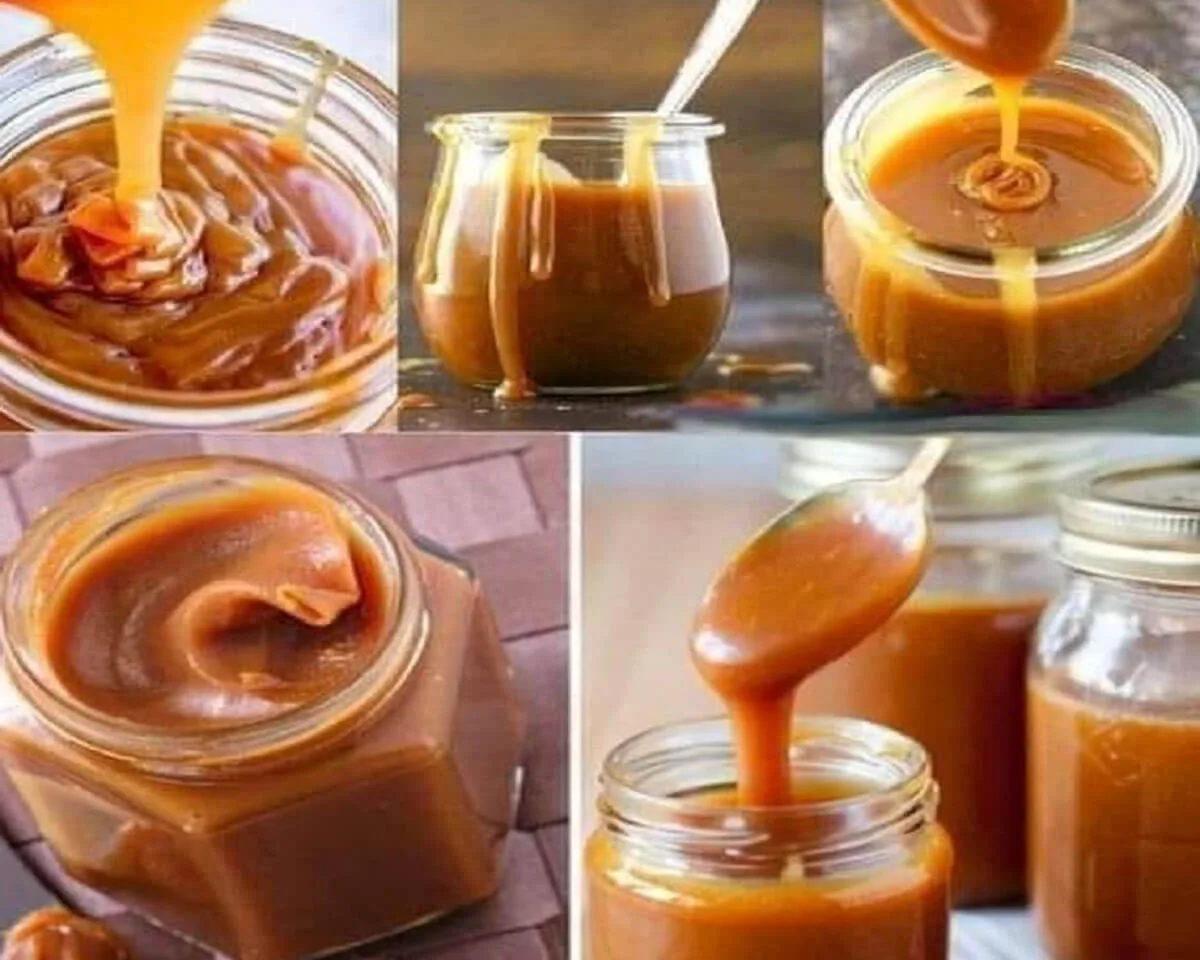
The first time I made salted butter caramel, I stood over the stove like it was a final exam. I watched the sugar melt, questioned every bubble, and hoped I would not burn the whole batch. Then the caramel turned deep amber, the butter melted in, and the kitchen smelled incredible. One spoonful changed everything. It tasted rich, glossy, and balanced, with just enough salt to keep the sweetness from taking over. Since then, this salted butter caramel recipe has become one of my favorite kitchen wins. It feels fancy, yet it relies on simple ingredients and a little attention. Better yet, it turns everyday desserts into something memorable.
Many people think caramel feels too technical for a home kitchen, yet this recipe proves the opposite. Once you understand what each ingredient does and when to add it, the process feels clear and manageable. In fact, that confidence is one reason homemade caramel keeps ranking well on recipe sites. Readers want a method that feels reliable, a flavor that tastes better than store-bought, and a finish that works across many desserts.
Salted butter caramel checks every box. It looks elegant, tastes indulgent, and still fits into everyday baking. Moreover, it invites personal touches. You can add extra sea salt for a bolder finish, stir in vanilla for warmth, or cook the sugar slightly darker for a deeper flavor. Because of that, the recipe feels classic without feeling rigid.
Why Salted Butter Caramel Deserves a Spot in Your Kitchen
The flavor that makes salted butter caramel irresistible
Salted butter caramel works because it gives you contrast in every bite. The sugar cooks into a deep, toasty sweetness, while the butter adds richness and body. Then the salt cuts through the sweetness and sharpens the flavor. As a result, the caramel tastes fuller and more complex than plain caramel. That balance explains why so many popular recipe sites focus on the same core combination of sugar, butter, cream, and salt when they teach homemade caramel.
The easiest ways to use it at home
One reason this recipe stays popular is its flexibility. You can drizzle salted butter caramel over vanilla ice cream, brownies, cheesecake, apple pie, pancakes, or coffee drinks. You can spoon it into thumbprint cookies, swirl it into buttercream, or serve it with sliced apples for a simple dessert board. Because the sauce tastes rich on its own, even a small amount changes the whole dessert. That makes it useful for holidays, dinner parties, and regular weeknight treats alike.
What You Need for the Best Salted Butter Caramel Recipe
Simple ingredients that build real caramel flavor
A great salted butter caramel recipe starts with a short ingredient list, but every ingredient matters. Sugar gives the sauce its caramel base. Butter brings richness and a smooth mouthfeel. Heavy cream loosens the caramel and helps create a pourable texture. Sea salt rounds everything out and gives the sauce its signature sweet-salty finish. Many high-ranking recipes use nearly the same foundation, even when they vary the method slightly.
| Ingredient | What it does |
|---|---|
| Granulated sugar | Creates the caramel base |
| Butter | Adds richness and silky texture |
| Heavy cream | Makes the sauce smooth and pourable |
| Sea salt | Balances sweetness and boosts flavor |
| Vanilla | Adds warmth and depth |
The tools that make the process easier
You do not need a professional kitchen to make caramel, but a few tools help. First, use a heavy-bottomed saucepan so the sugar heats more evenly. Next, keep a heatproof spatula or wooden spoon nearby for the butter and cream. A light-colored pan helps you track the caramel’s color, which can prevent burning. Some candy-style caramel recipes rely on thermometers, especially chewy caramel candies, while many sauce recipes do not require one if you watch the color carefully.
How to Make Salted Butter Caramel Without Stress
A simple step-by-step method that works
Start by heating the sugar in your saucepan over medium heat. Depending on the method, you may melt dry sugar or begin with sugar and a little water. As the sugar dissolves and darkens, swirl the pan gently instead of stirring aggressively. Once the sugar turns a rich amber color, add the butter and stir carefully. The mixture will bubble fast, so keep your hands protected and your face back. Then pour in the warm cream slowly and stir until the sauce turns smooth and glossy. Finally, add the sea salt and vanilla, then let the caramel cool slightly before you use it. Leading recipe sources give similar warnings about bubbling, splattering, and the need for care when the cream hits the hot sugar.
Common mistakes and how to avoid them
Even easy caramel can go wrong if you rush it. If the sugar cooks too long, the sauce turns bitter. If you use high heat, the caramel can darken unevenly. If the cream is too cold, the mixture may seize. Therefore, warm the cream first, stay close to the stove, and watch the color rather than guessing by time alone. Also, avoid walking away during the final stage, because caramel shifts from perfect to burnt quickly. If the sauce looks too thick after cooling, reheat it gently and stir in a small splash of cream.
Tips for Texture, Storage, and Serving
How to get a silky sauce every time
Texture matters just as much as flavor. For the smoothest salted butter caramel, use room-temperature butter and warm cream. That way, the ingredients combine more easily with the hot sugar. Strain the finished sauce if you see any hardened bits. In addition, let the caramel cool at room temperature for the best consistency. Some bakers specifically recommend avoiding a rapid chill right away because gradual cooling supports a smoother final texture.
The best ways to store and serve homemade caramel
Once cooled, store salted butter caramel in a sealed jar in the refrigerator. When you want to use it again, warm it gently in the microwave or on the stovetop until it loosens. Serve it warm for drizzling, or chill it slightly for a thicker spoonable texture. It also makes a thoughtful homemade gift when you pour it into a clean glass jar and add a simple label. Because the flavor pairs well with fruit, chocolate, coffee, and baked goods, one batch rarely goes to waste.
| Best use | Why it works |
|---|---|
| Ice cream topping | Warm caramel melts beautifully over cold scoops |
| Brownie drizzle | Adds buttery contrast to rich chocolate |
| Apple dip | Balances tart fruit with sweet-salty flavor |
| Cake filling | Brings moisture and concentrated caramel taste |
| Coffee add-in | Gives drinks dessert-like depth |
Another reason this recipe stands out is the way it rewards patience. You do not need advanced pastry skills. Instead, you need attention, heat, and a willingness to let the sugar do its work. As the color deepens, the aroma changes too. First it smells sweet and simple. Then it turns nuttier, warmer, and more complex. That shift tells you the sauce is developing character. When you finally stir in the butter and cream, the whole mixture transforms into something glossy and luxurious. That moment never gets old, and it always makes the kitchen feel more special at home.
Salted Butter Caramel Recipe FAQ
Why did my salted butter caramel turn grainy?
Grainy caramel often starts with sugar crystals forming on the side of the pan. To prevent that, keep the sides of the pan clean, avoid unnecessary stirring, and let the sugar melt evenly before you add the other ingredients.
Can I use salted butter instead of unsalted butter?
Yes, but reduce the added sea salt so the final flavor stays balanced. Taste the caramel after it cools slightly, then adjust if needed.
How dark should caramel be before I add the butter?
Aim for a deep amber color. If it looks pale gold, it may taste too sweet and flat. If it looks very dark brown, it may turn bitter.
What desserts pair best with salted butter caramel?
Salted butter caramel tastes wonderful on ice cream, brownies, cheesecake, apple desserts, cookies, cinnamon rolls, and bread pudding. It also works well in lattes and milkshakes.
Conclusion
Salted butter caramel feels impressive, but the process becomes much easier once you understand the rhythm. You melt sugar, build flavor, add richness, and finish with salt. That simple sequence creates a sauce that tastes luxurious and deeply homemade. Whether you drizzle it over ice cream, swirl it into frosting, or gift it in a jar, this salted butter caramel recipe brings big flavor from a short list of ingredients. Make it once, and you will see why so many home bakers keep it in regular rotation.
Full recipe:
Ingredients:
– 1 cup granulated sugar
– 1/2 cup heavy cream
– 1/2 cup unsalted butter
– 1 teaspoon sea salt (adjust to taste)
Instructions:
1. Start by heating the granulated sugar in a heavy-bottomed saucepan over medium heat. Stir occasionally with a wooden spoon until the sugar melts and turns amber in color.
2. Carefully add the heavy cream to the caramelized sugar while stirring constantly. The mixture will bubble up, so be cautious.
3. Once the cream is fully incorporated, add the unsalted butter and continue stirring until it melts, and the mixture becomes smooth and glossy.
4. Remove the saucepan from heat and stir in the sea salt. Adjust the amount to your taste preference.
5. Let the caramel cool down before transferring it to a glass jar or airtight container.
You can use the salted butter caramel as a topping for ice cream, drizzle it over desserts, or use it as a dip for fruits. 🍨🍏
Whether you are an avid home baker or a culinary enthusiast, this recipe is an invitation to elevate your creations and infuse them with the enchanting essence of our Salted Butter Caramel. Let each spoonful or drizzle transport you to a world where the perfect balance of flavors transforms ordinary moments into extraordinary indulgences.