
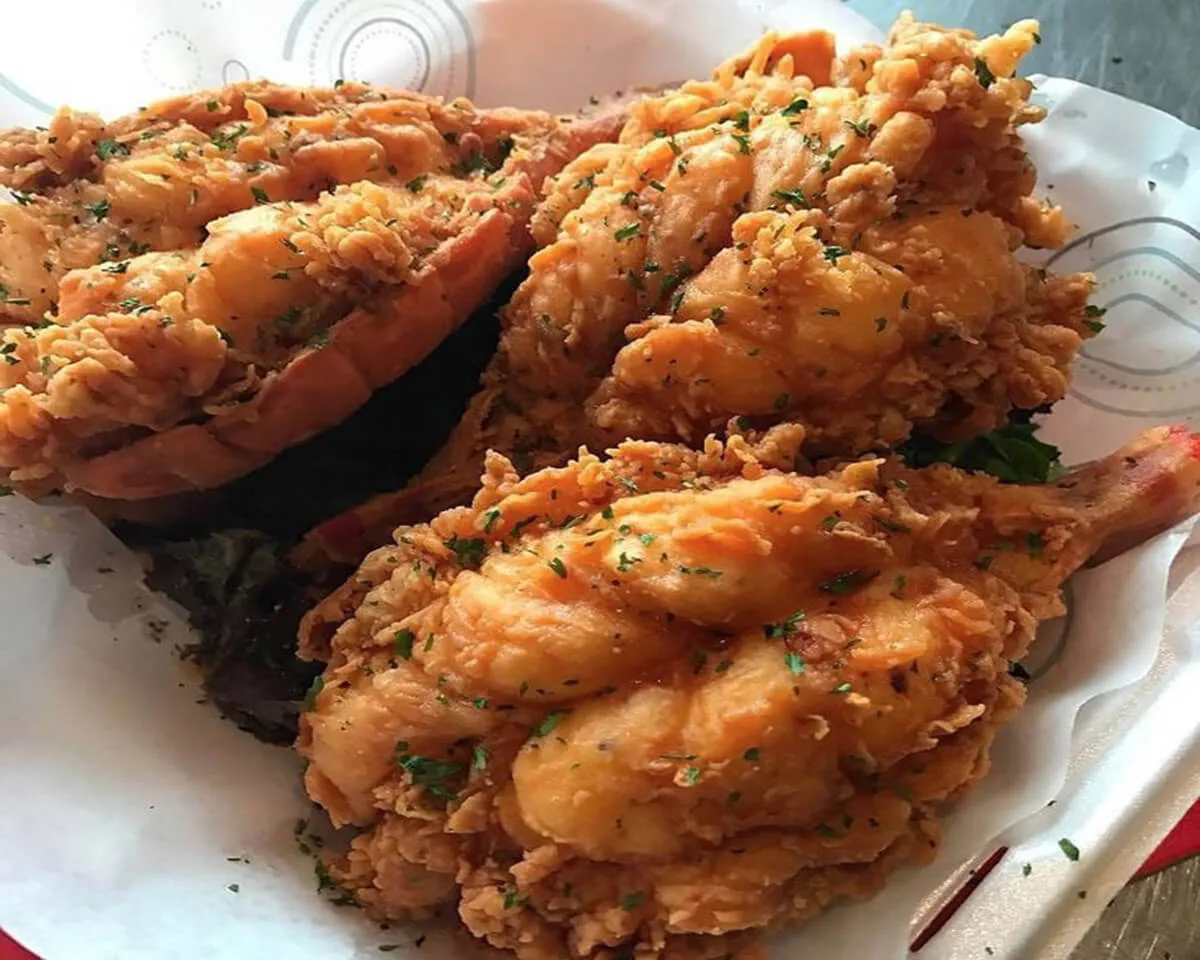
Part 1: The Story Behind My Southern Deep Fried Lobster Obsession
A Backyard Fish Fry That Changed Everything
Southern Deep Fried Lobster first crossed my plate at a family reunion in coastal Georgia. My uncle, a born-and-raised Southerner who usually fried catfish and okra, decided to surprise everyone with lobster tails he picked up from a seafood wholesaler. I remember laughing at the idea. Lobster belongs on white tablecloths, not in a cast-iron pot next to hushpuppies. But when he pulled those golden, craggy lobster tails from the bubbling oil, the whole backyard went quiet. One bite of that Southern Deep Fried Lobster completely rewired my brain. The outside shattered like the best fried chicken, while the inside stayed sweet, tender, and perfectly cooked. I ate two tails that day and begged for the recipe. My uncle just smiled and said, “Sugar, it’s all about the double coat and the buttermilk.”
Why This Southern Deep Fried Lobster Works So Well
Most people think frying lobster ruins its delicate flavor. They could not be more wrong. Southern Deep Fried Lobster actually enhances the natural sweetness of the meat by sealing in all the juices under a crisp, well-seasoned crust. The technique borrows from classic Southern fried seafood traditions, but lobster brings a luxurious upgrade. The contrast between the crunchy exterior and the buttery interior creates a texture experience you simply cannot get from boiled or grilled lobster. Plus, the seasoning blend of paprika, garlic powder, and cayenne adds warmth without overpowering the lobster’s signature taste. Every time I serve this Southern Deep Fried Lobster at dinner parties, guests ask for seconds before they finish their first piece. It feels fancy but cooks in under ten minutes, which makes it perfect for both special occasions and random Tuesday cravings.
Part 2: Essential Ingredients for Perfect Southern Deep Fried Lobster
Choosing the Best Lobster Tails
Great Southern Deep Fried Lobster starts with high-quality lobster tails. Look for tails weighing eight to ten ounces each, which gives you a generous portion per person. Fresh tails work best, but high-quality frozen tails thawed overnight in the refrigerator perform almost as well. Check the shell for any discoloration or odd smells. The meat should look translucent and smell like the ocean, not fishy or ammonia-like. Cold-water lobster tails from Maine or Canada tend to be sweeter and firmer than warm-water varieties. When you cut the shell open, the meat should fill most of the shell without looking shrunken. For this recipe, stick with tails rather than whole lobsters because tails fry more evenly and fit better in a standard pot.
Below is a table comparing lobster tail options.
The Seasoning and Battering Basics
The coating makes or breaks your Southern Deep Fried Lobster. You need all-purpose flour as your base for a light, crispy crust. Paprika adds color and a mild smokiness. Garlic powder brings savory depth without burning during frying. Salt and black pepper form the foundation of any good fry seasoning. Cayenne pepper gives a subtle heat, but you can adjust the amount based on your spice tolerance. For the wet batter, large eggs and buttermilk create a tangy, rich coating that helps the second flour layer stick properly. Buttermilk also tenderizes the lobster slightly and adds a pleasant tang that complements the sweetness of the meat. Do not skip the double-dredging process. That first flour coat, followed by the egg wash, then another flour coat, creates the shatteringly crisp exterior that defines excellent Southern Deep Fried Lobster.
Part 3: Step-by-Step Cooking Instructions for Southern Deep Fried Lobster
Preparing the Lobster Tails Correctly
Start your Southern Deep Fried Lobster by prepping the tails properly. Grab a pair of kitchen shears. Turn the lobster tail upside down so you see the soft underside. Cut straight down the center of the top shell, stopping right at the base of the tail fan. Do not cut through the bottom. Gently pull the shell apart to expose the meat. Run your finger between the meat and the shell to loosen it. Then carefully lift the meat upward so it rests on top of the shell, keeping it attached at the tail tip. This technique, called “butterflying,” allows the meat to cook evenly and creates a beautiful presentation. Pat the meat dry with paper towels. Dry meat grabs the coating better than wet meat. Set the prepared tails aside while you heat your oil.
The Double-Dredge Frying Method
Pour enough vegetable oil into a deep, heavy pot or a deep fryer to fully submerge the lobster tails. Heat the oil to exactly 350°F (175°C). Use a thermometer to monitor the temperature because oil that is too hot burns the coating while leaving the inside raw. Oil that is too cool makes the tails greasy and soggy. While the oil heats, set up your dredging station. In one shallow dish, combine one cup flour, one teaspoon paprika, one teaspoon garlic powder, half a teaspoon salt, half a teaspoon black pepper, and a quarter teaspoon cayenne. In another dish, whisk two large eggs with a quarter cup buttermilk. Dip each lobster tail first into the seasoned flour, shaking off excess. Then dip into the egg-buttermilk mixture. Finally, dip back into the flour for a second coating. This double coat locks in moisture and creates that signature crunch. Carefully lower the tails into the hot oil using tongs. Fry for three to four minutes until golden brown. The lobster meat turns opaque and white when cooked through. Remove and drain on paper towels. Your Southern Deep Fried Lobster is ready to serve immediately.
Part 4: Serving, Storing, and Customizing Your Southern Deep Fried Lobster
Best Dipping Sauces and Side Dishes
Southern Deep Fried Lobster tastes incredible on its own, but the right dips and sides elevate the meal. A classic tartar sauce brings tangy creaminess. Spicy remoulade adds a Louisiana kick with its mix of mayonnaise, mustard, pickles, and hot sauce. Garlic aioli works beautifully because the garlic complements the sweet lobster. Lemon wedges are non-negotiable because a squeeze of fresh acid cuts through the richness of the fried coating. For sides, stick with Southern favorites. Creamy coleslaw adds cool crunch. Hushpuppies, those little fried cornmeal balls, offer a sweet, savory contrast. French fries or sweet potato fries work great for a casual meal. If you want something lighter, serve the lobster over a simple bed of mixed greens with a lemon vinaigrette. The key is balancing the richness of the Southern Deep Fried Lobster with bright, fresh, or pickled elements.
How to Store and Reheat Leftovers
Leftover Southern Deep Fried Lobster rarely happens because people devour it immediately. But if you do have extras, store them properly. Let the fried lobster tails cool completely on a wire rack. Never wrap them while warm because steam destroys the crispy coating. Place the cooled tails in a single layer inside an airtight container. Separate layers with parchment paper. Refrigerate for up to two days. Do not freeze cooked fried lobster because the texture becomes rubbery and the coating turns soggy. To reheat, skip the microwave entirely. Instead, preheat your oven to 375°F. Place the lobster tails on a baking sheet lined with a wire rack. Bake for five to seven minutes until the coating crisps back up and the interior heats through. Alternatively, reheat in an air fryer at 350°F for three minutes. The stovetop method works too: warm a little oil in a skillet and fry the tails for one minute per side. Do not overheat or the lobster becomes tough.
Frequently Asked Questions
Can I use frozen lobster tails for Southern Deep Fried Lobster?
Yes, frozen tails work very well. Thaw them overnight in the refrigerator. Pat them completely dry before butterflying and coating. Excess moisture prevents the coating from sticking and creates steam during frying, which ruins the crunch.
What oil is best for frying Southern Deep Fried Lobster?
Vegetable oil, canola oil, or peanut oil all work great. These oils have high smoke points around 400°F to 450°F, which means they stay stable at 350°F frying temperature. Peanut oil adds a subtle nutty flavor that complements seafood. Avoid olive oil because it burns at high heat.
How do I know when the lobster is fully cooked?
The meat turns from translucent to opaque white. The internal temperature should reach 140°F. Frying for three to four minutes at 350°F typically cooks an eight-ounce tail perfectly. Overcooking makes lobster tough and rubbery, so watch the clock closely.
Can I make Southern Deep Fried Lobster without a deep fryer?
Absolutely. Use a heavy-bottomed pot like a Dutch oven. Fill it with about two inches of oil. Use a candy thermometer to monitor the temperature. Fry one tail at a time to avoid dropping the oil temperature too much. Turn the tail halfway through for even browning.
What dipping sauce pairs best with Southern Deep Fried Lobster?
A spicy remoulade sauce is the top choice because its tangy, creamy, and slightly spicy profile complements the sweet lobster and crispy coating. Alternatively, mix mayonnaise, sriracha, and a little honey for a quick sweet-spicy dip. Lemon butter sauce also works beautifully.
Is Southern Deep Fried Lobster healthy?
This dish is an indulgence, not an everyday meal. Frying adds calories and fat. However, lobster itself is lean, high in protein, and contains beneficial minerals like zinc and selenium. Serve it with a side salad or roasted vegetables to balance the meal. Enjoy it occasionally as a special treat.
Conclusion
Southern Deep Fried Lobster takes two unlikely partners, a luxury seafood and a humble frying technique, and creates something truly magical. With a crispy, well-seasoned crust and a sweet, tender interior, this dish impresses guests and satisfies cravings in a way few other meals can. The key steps, butterflying the tails, double-dredging the coating, and frying at exactly 350°F, make all the difference between a good result and a great one. Serve it with your favorite dipping sauces and classic Southern sides for a complete experience. Now grab those lobster tails, heat up that oil, and treat yourself to a taste of the South with a gourmet twist. You will not regret it.